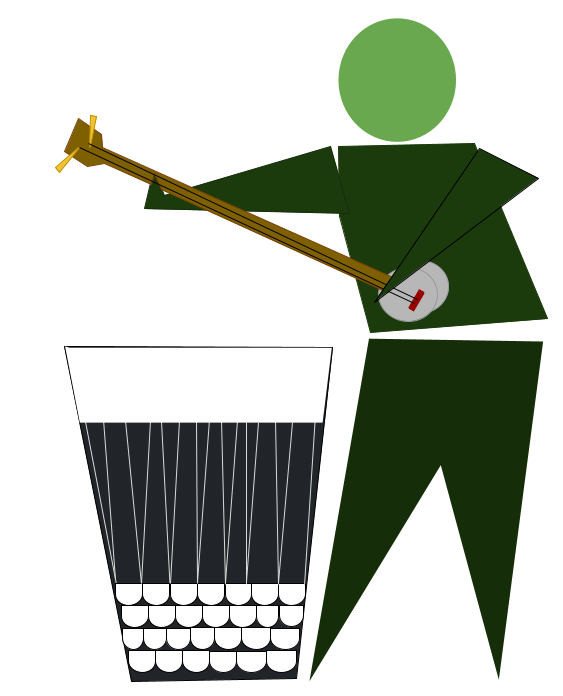
Inspired by the Chinese Bayin instrumental taxonomy system, the challenge for this mauka-to-makai project was to create three instruments using found materials in distinct categories (wood, plastic, metal).
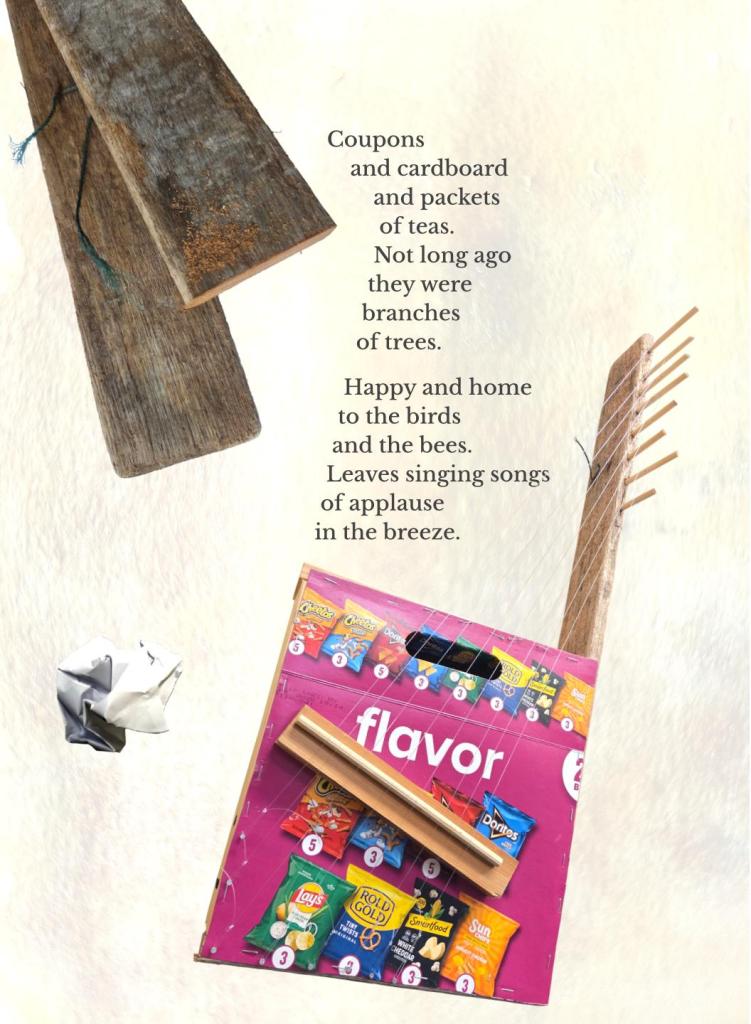
- WOOD > Harp (modeled on the tehnaku) made from Ala Moana Beach Park driftwood, cardboard, chopsticks, scrap wood, and (the one non-wooden item) fishing line.
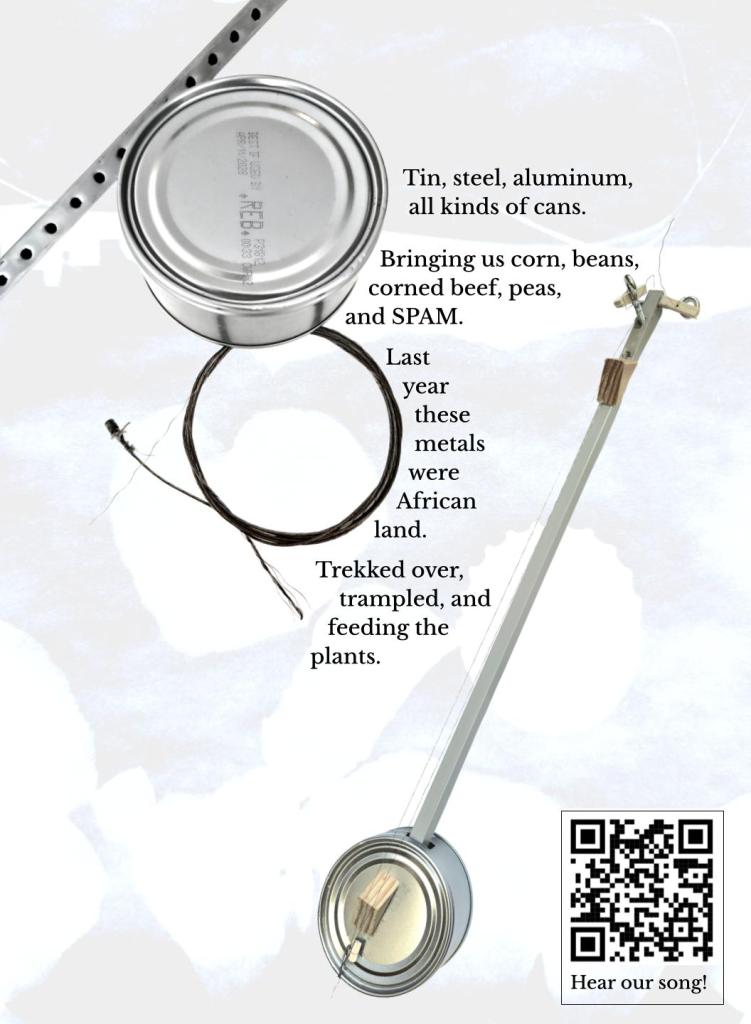
- METAL > Erhu-inspired bowed lute made from a tin can (found on a hike in Makiki), repurposed baby gate rod, metal screw eyes, aluminum wire, and untwisted bike brake cables.
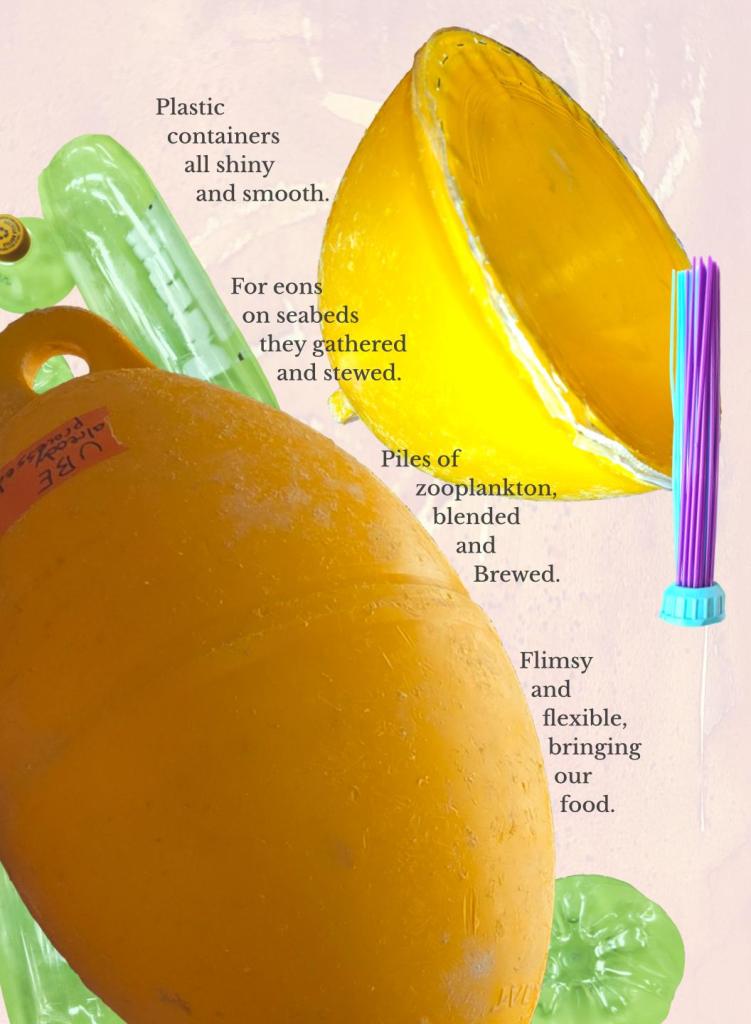
- PLASTIC > Drum made from plastic lid, water balloon filler, and marine buoy from the Papahānaumokuākea Marine Sanctuary (brought back from the folks at Center for Marine Debris Research )
As with previous projects, this became a multi-media endeavor: building physical instruments, recording a song with them as proof-of-voice, composing lyrics to tell their origin stories and genealogies, and producing a music video to document the sourcing and construction process.
Bonus track: how it feels to drown


