Dr. Takuma Itoh of the University of Hawaiʻi at Mānoa and the driving force behind the Symphony of the Hawaiian Birds and Symphony of the Hawai‘i Forests approached me in 2024 with a challenge. The goal was to create a collection of instruments using invasive wood on Oʻahu for the Community Forest celebration of 2025 put on by the Kaulunani Urban & Community Forestry Program. Guava is one of the more abundant invaders and was used for this demonstration effort. The gallery below represents my early attempt at prototype instruments to showcase the instrumental variety achievable within the 4 categories of the Hornbostel-Sachs instrumental classification system (here, I’m counting the balloons as membranophones rather than aerophones).
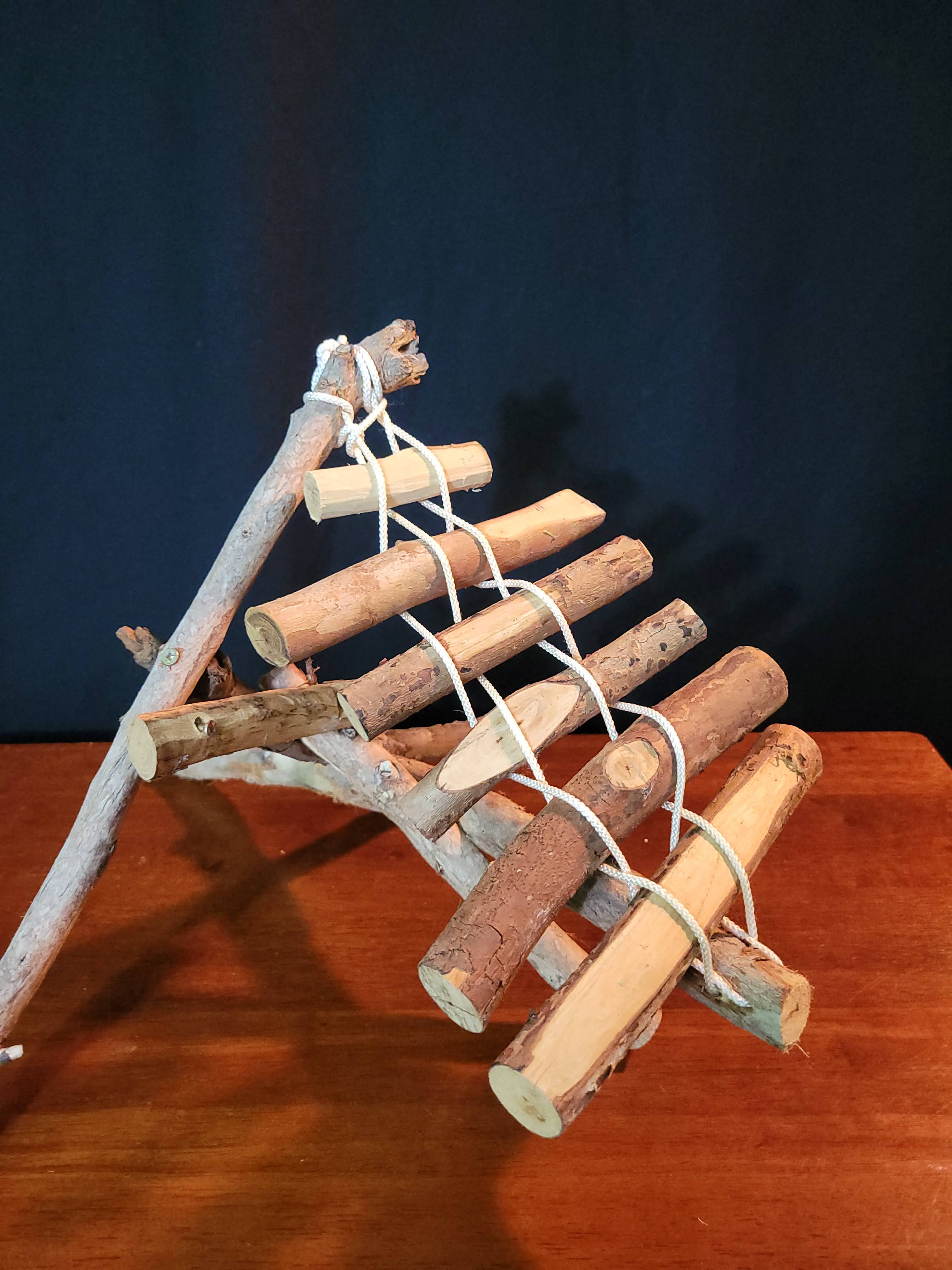
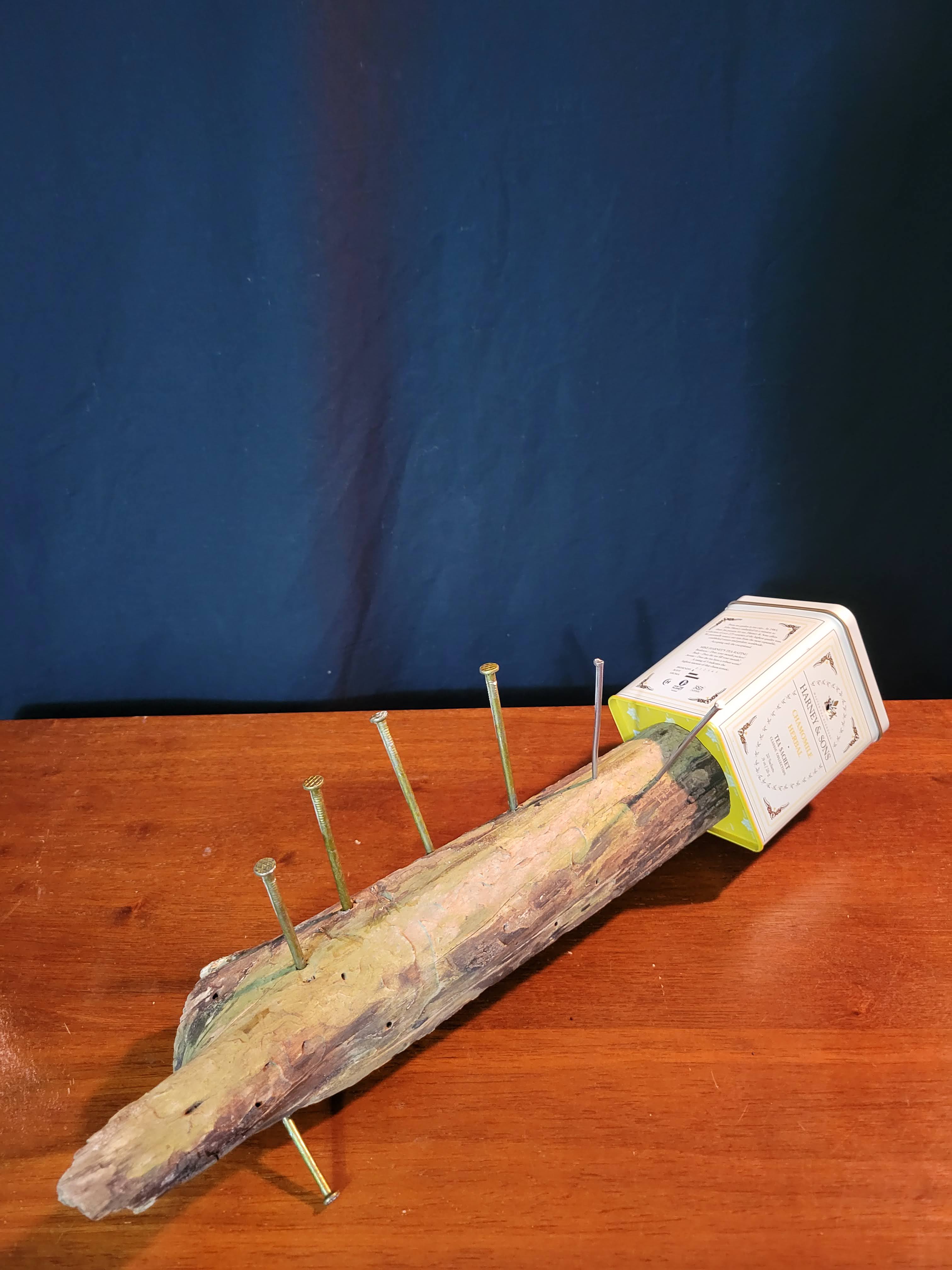
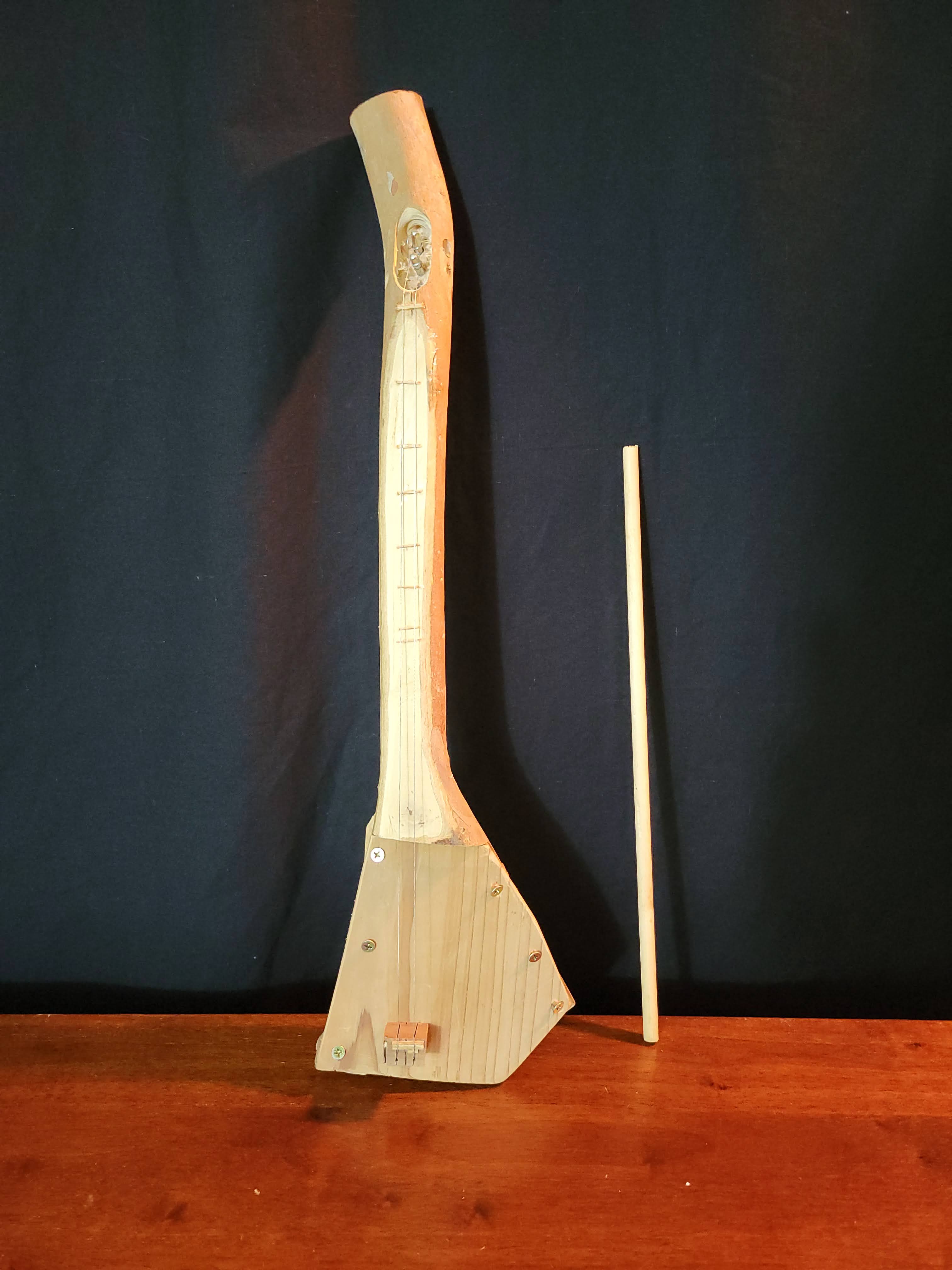
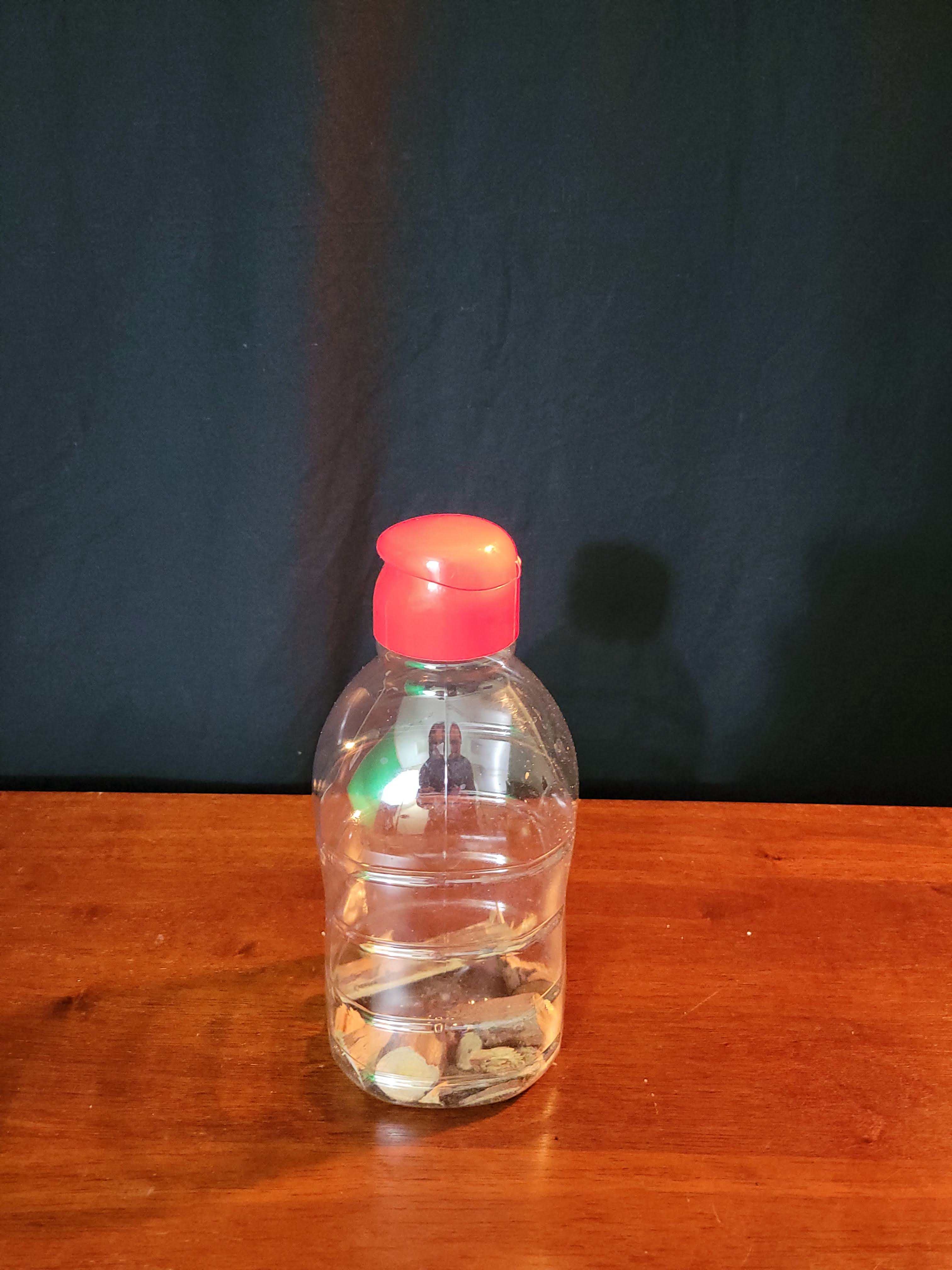
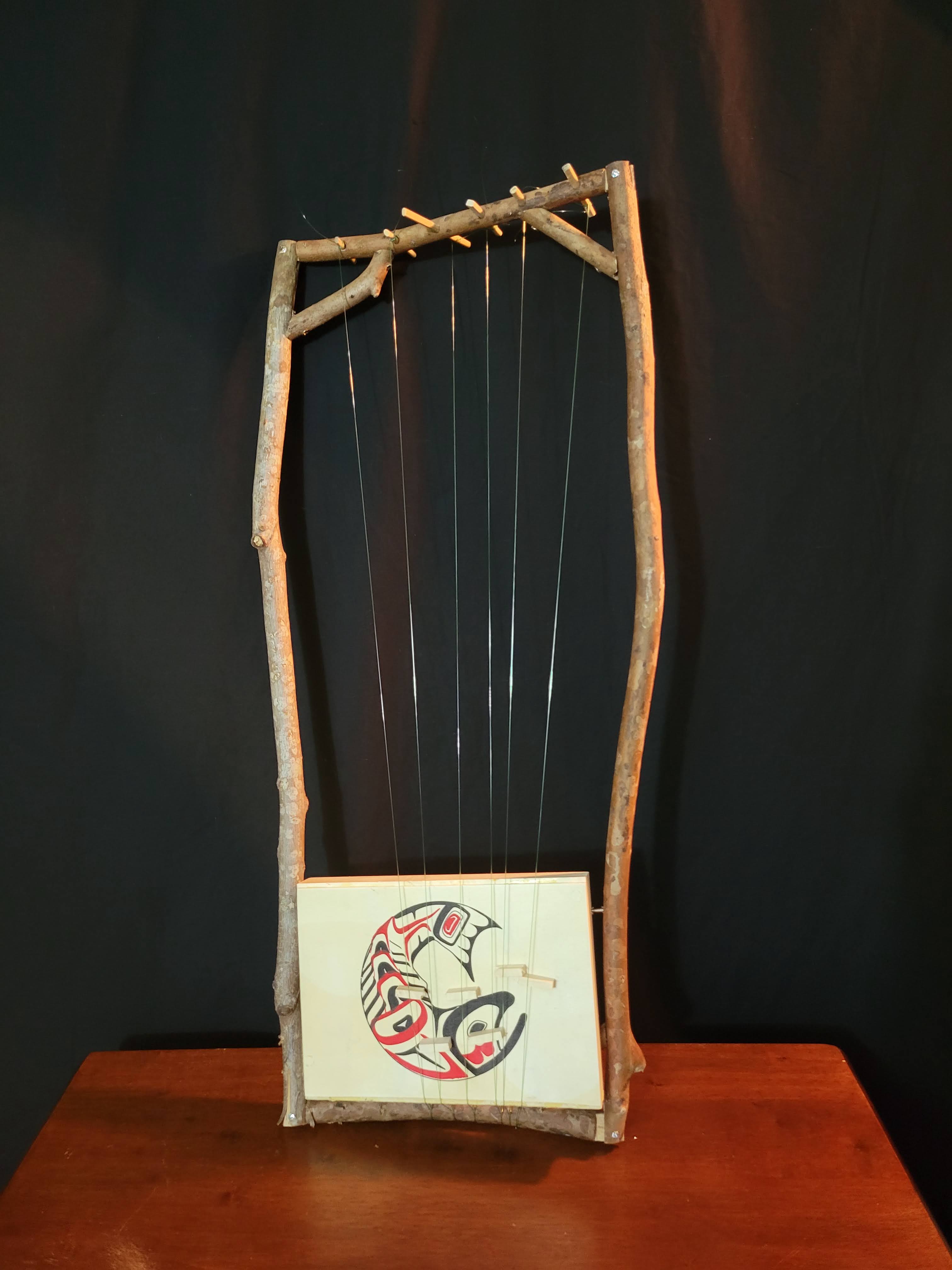
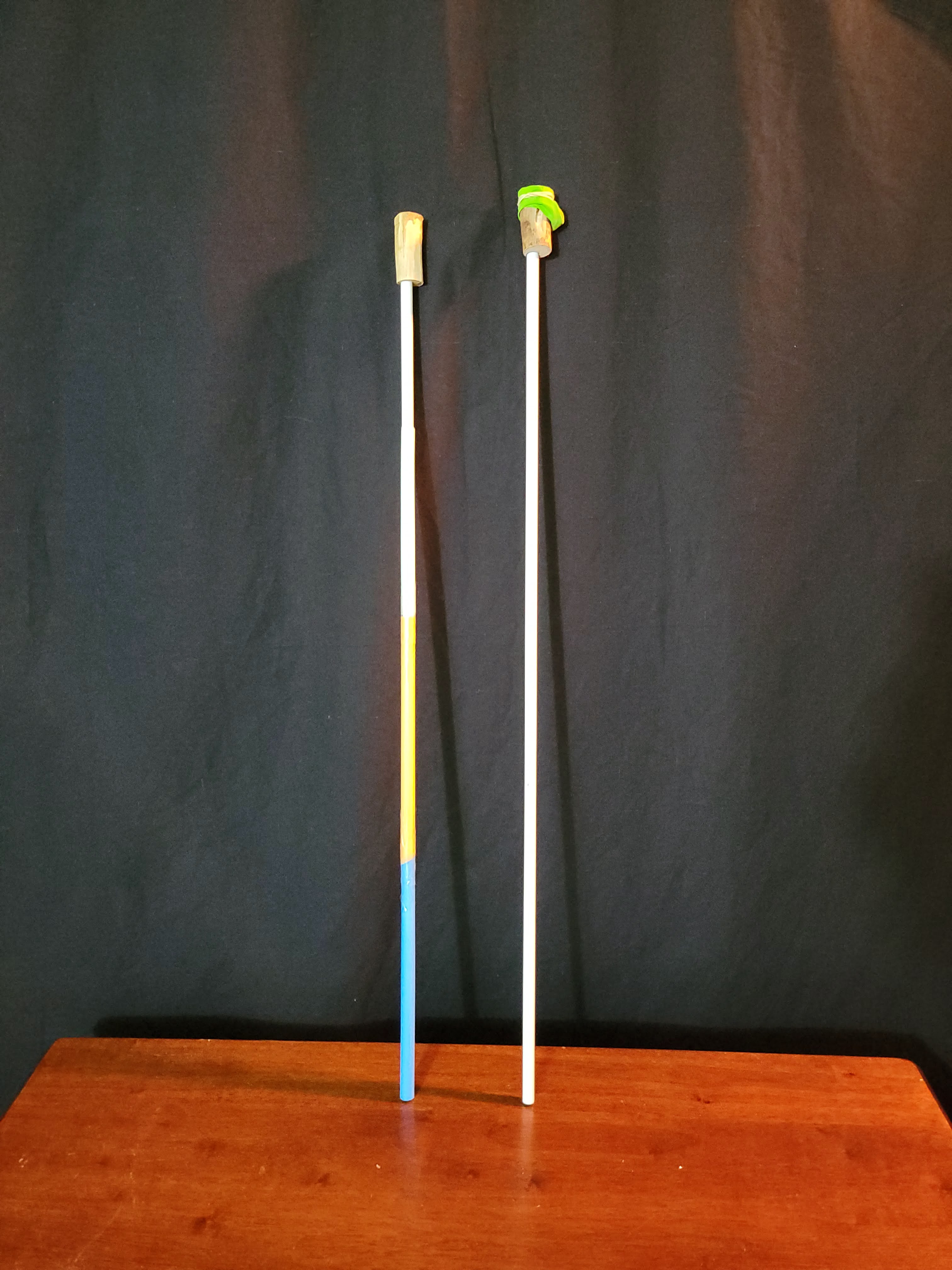
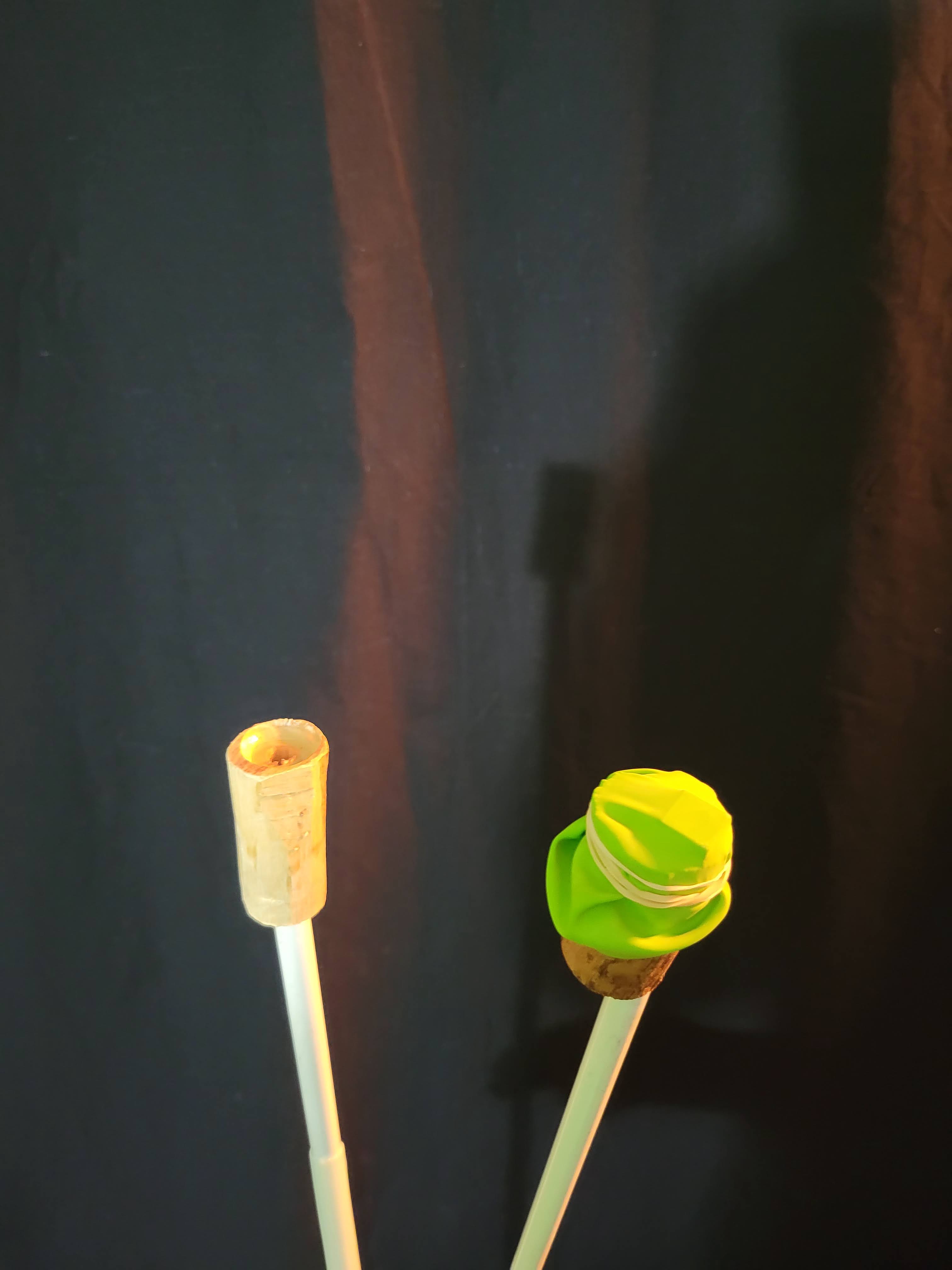
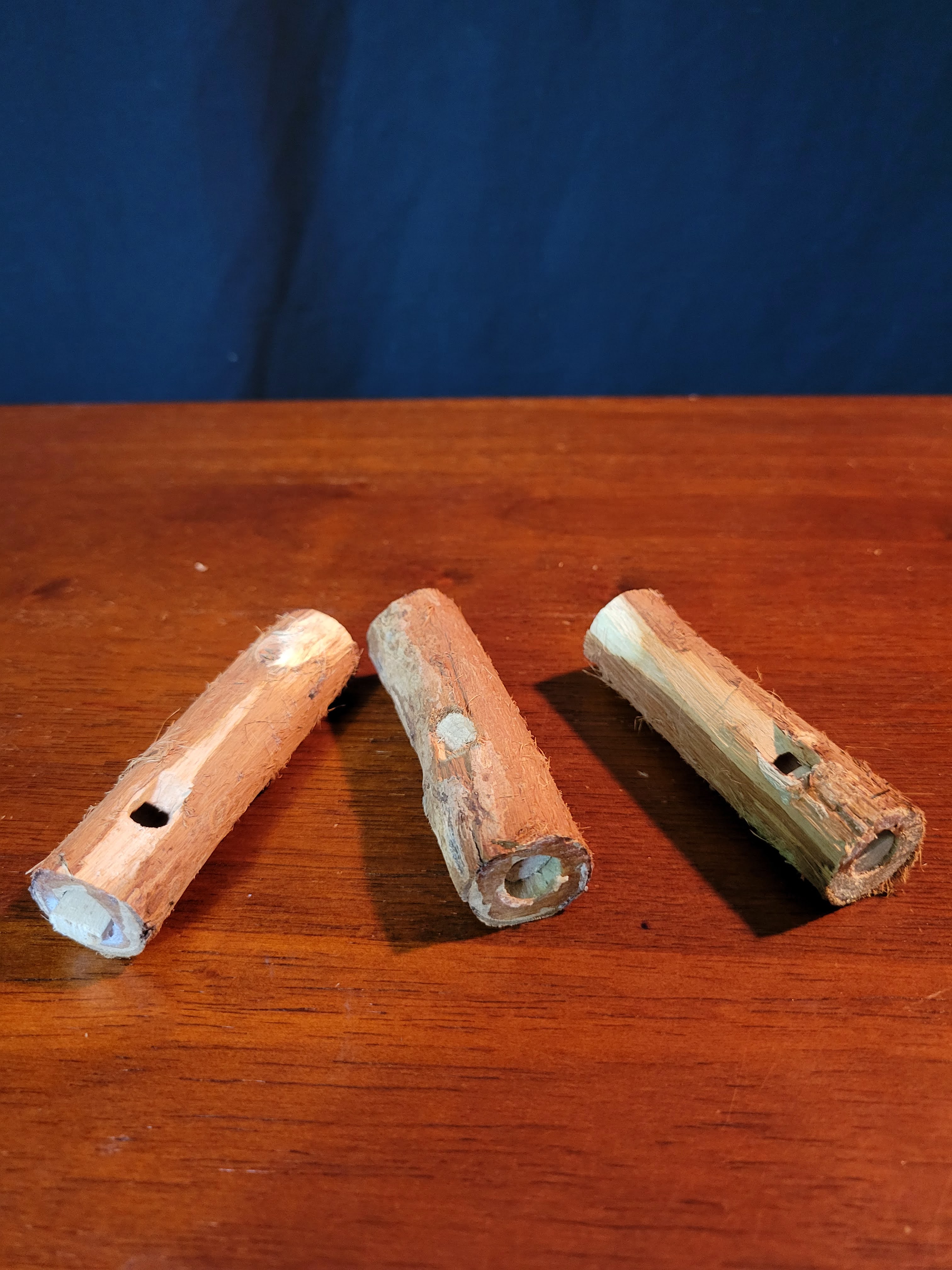
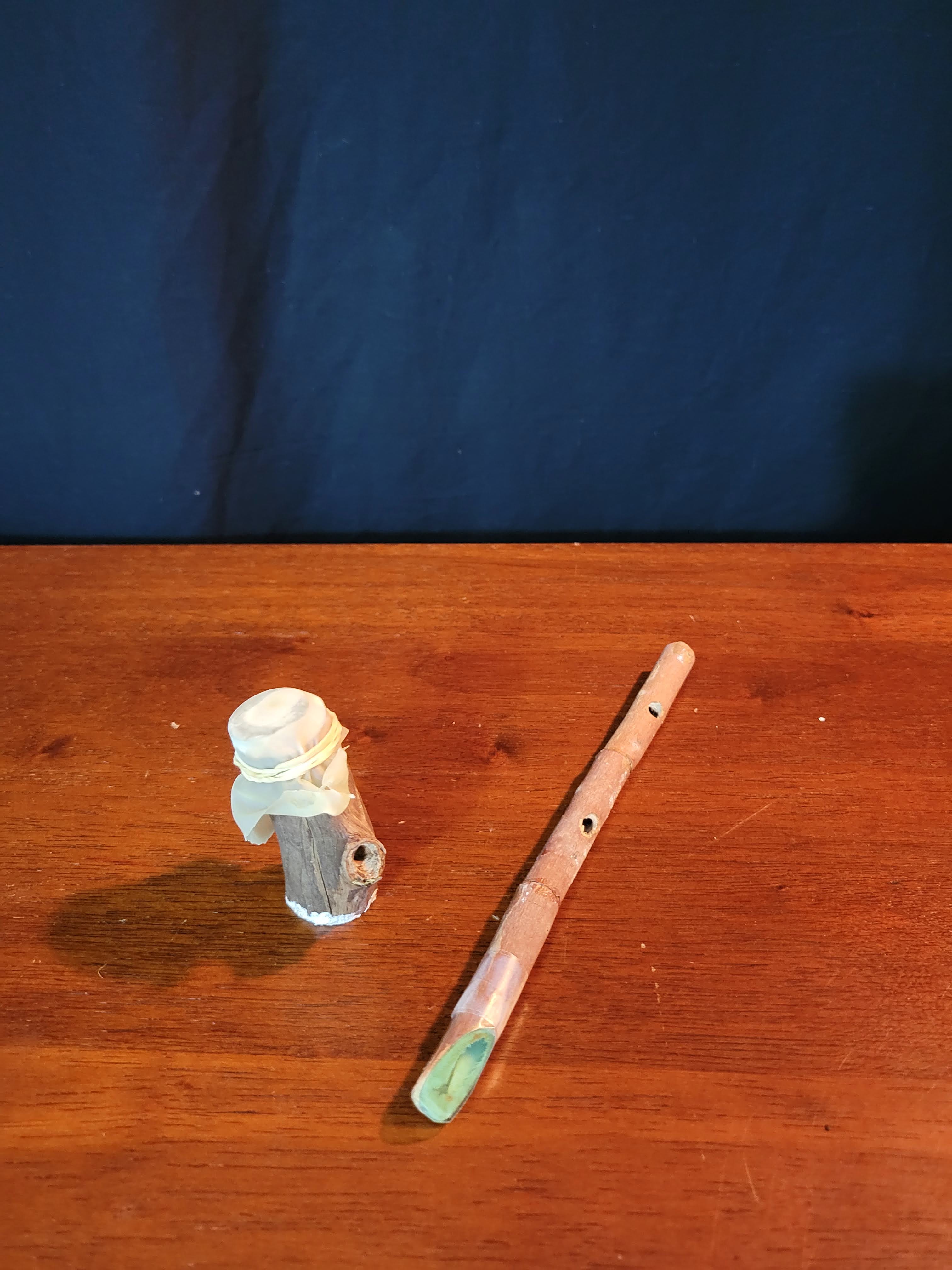
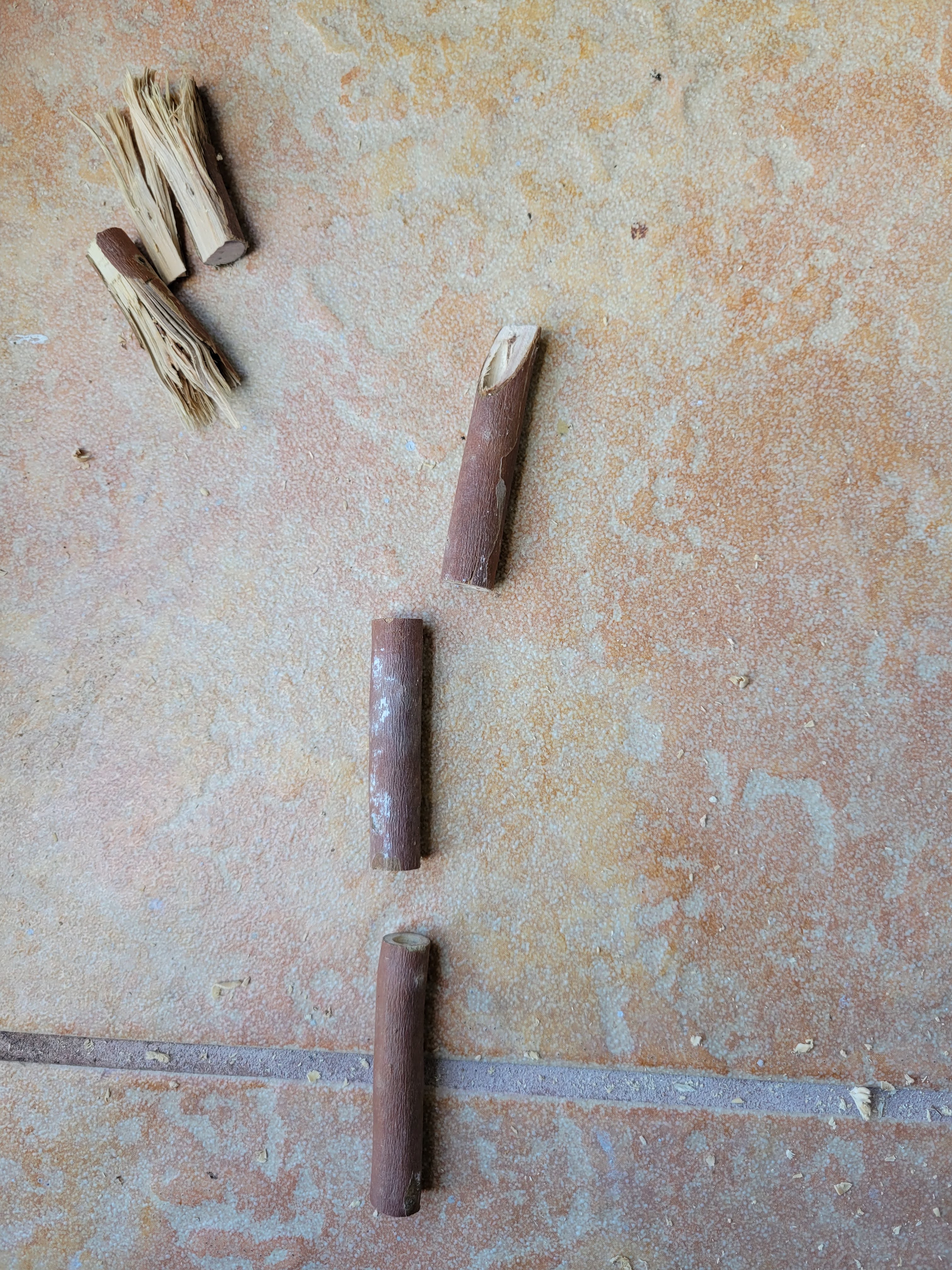
The general approach was to locate fallen guava branches on our upland hikes around the island. Working on my cramped lanai with minimal tools, we cobbled together a set of 9 demonstration instruments.

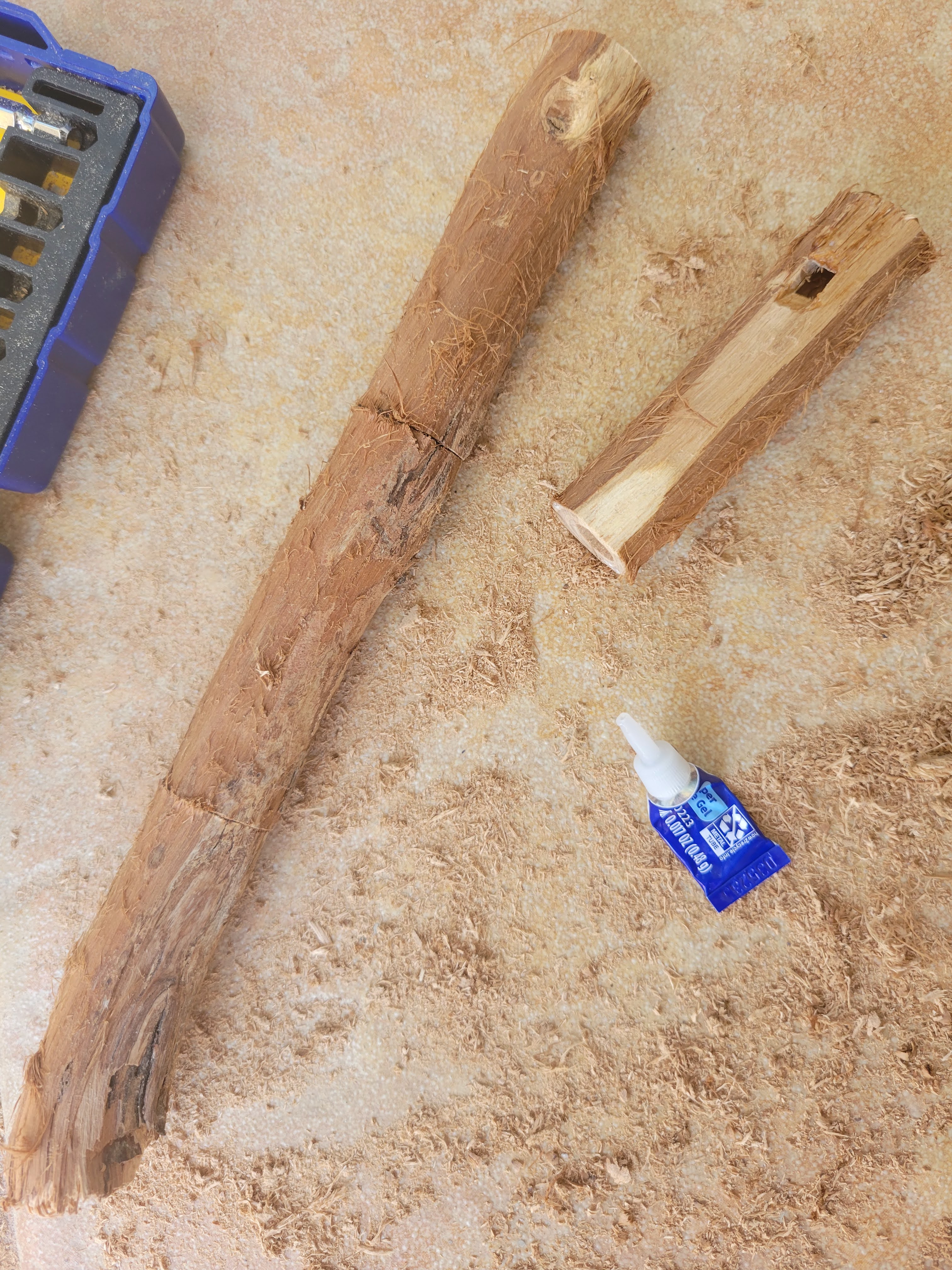
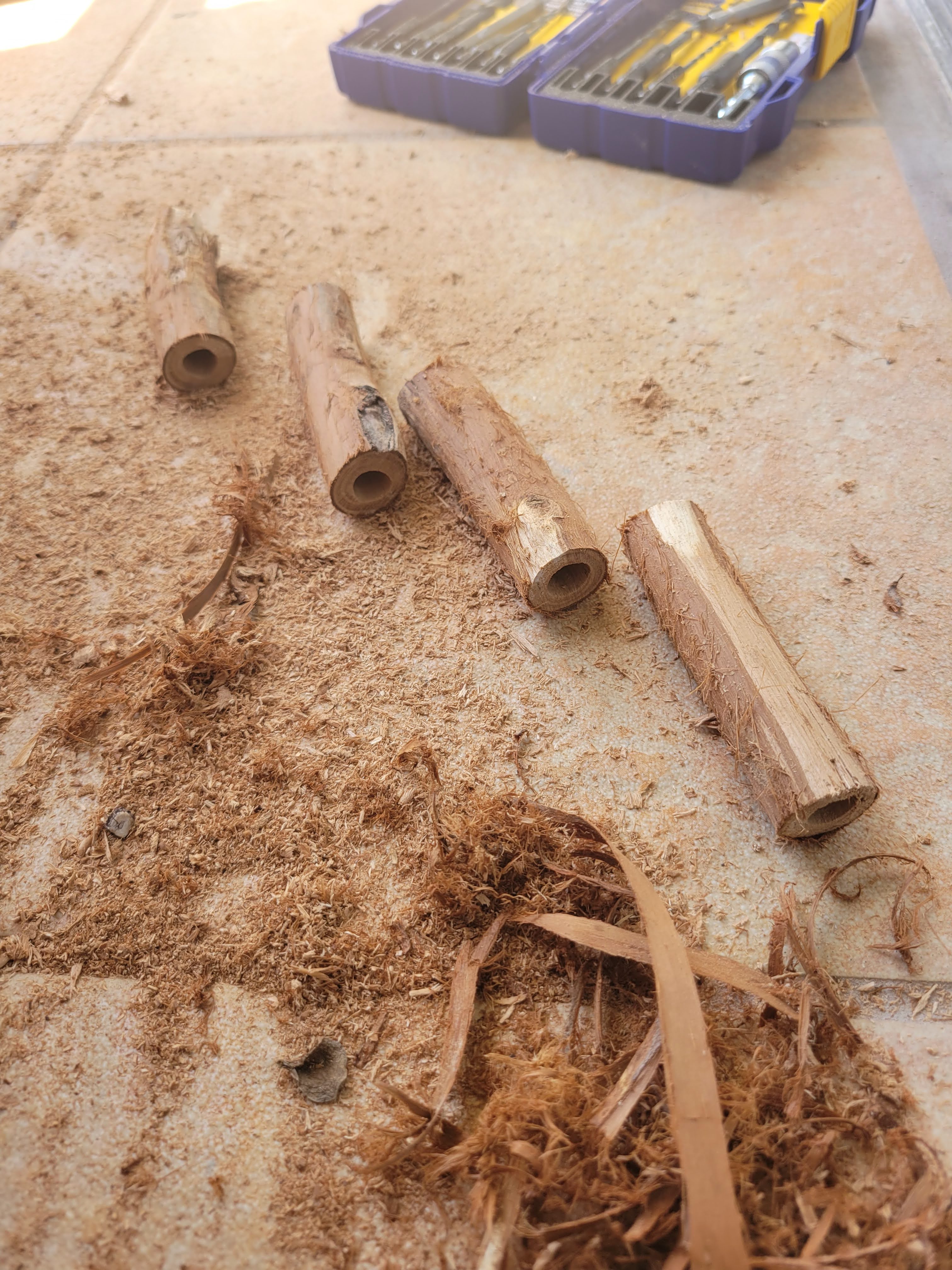
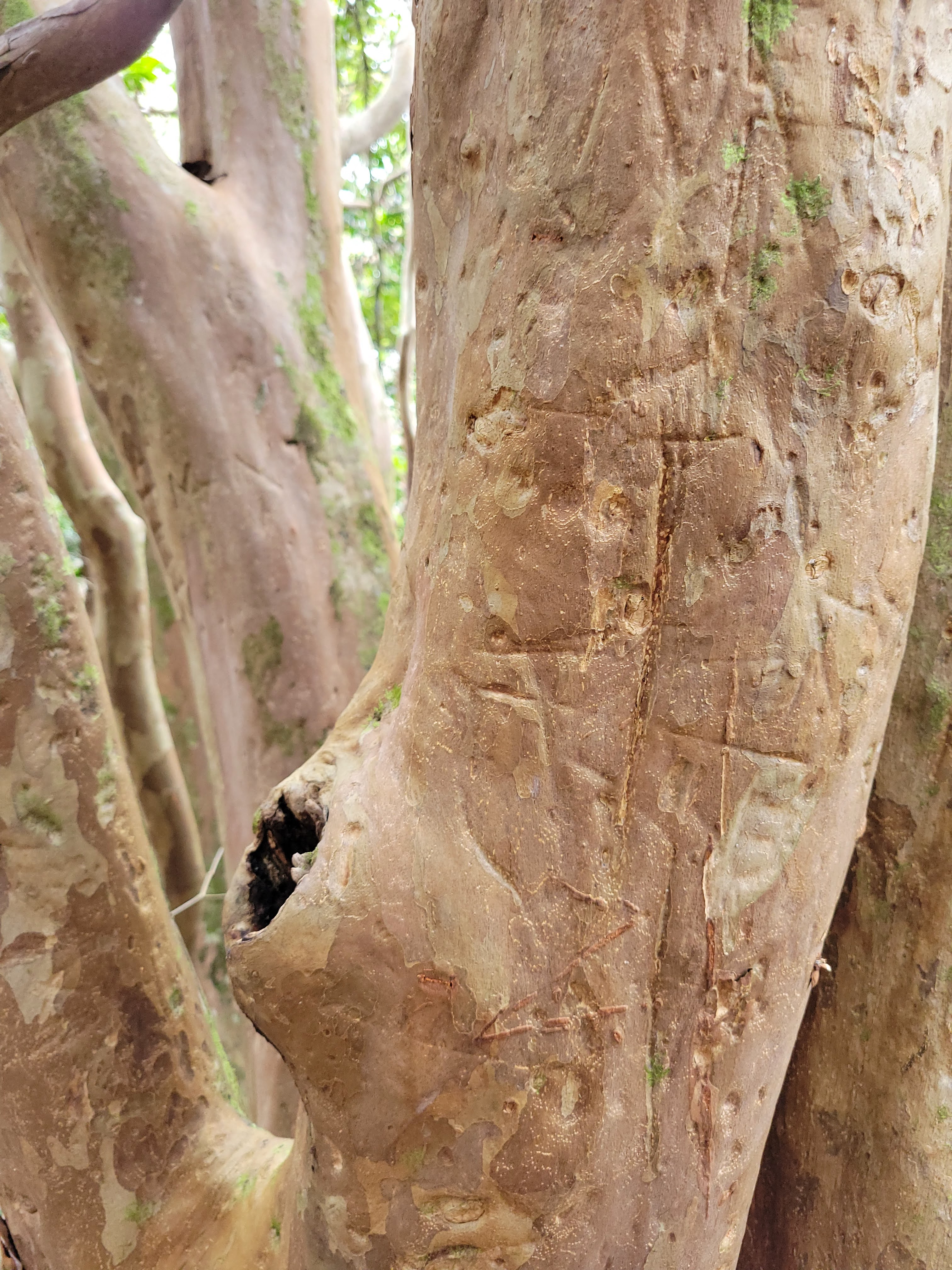
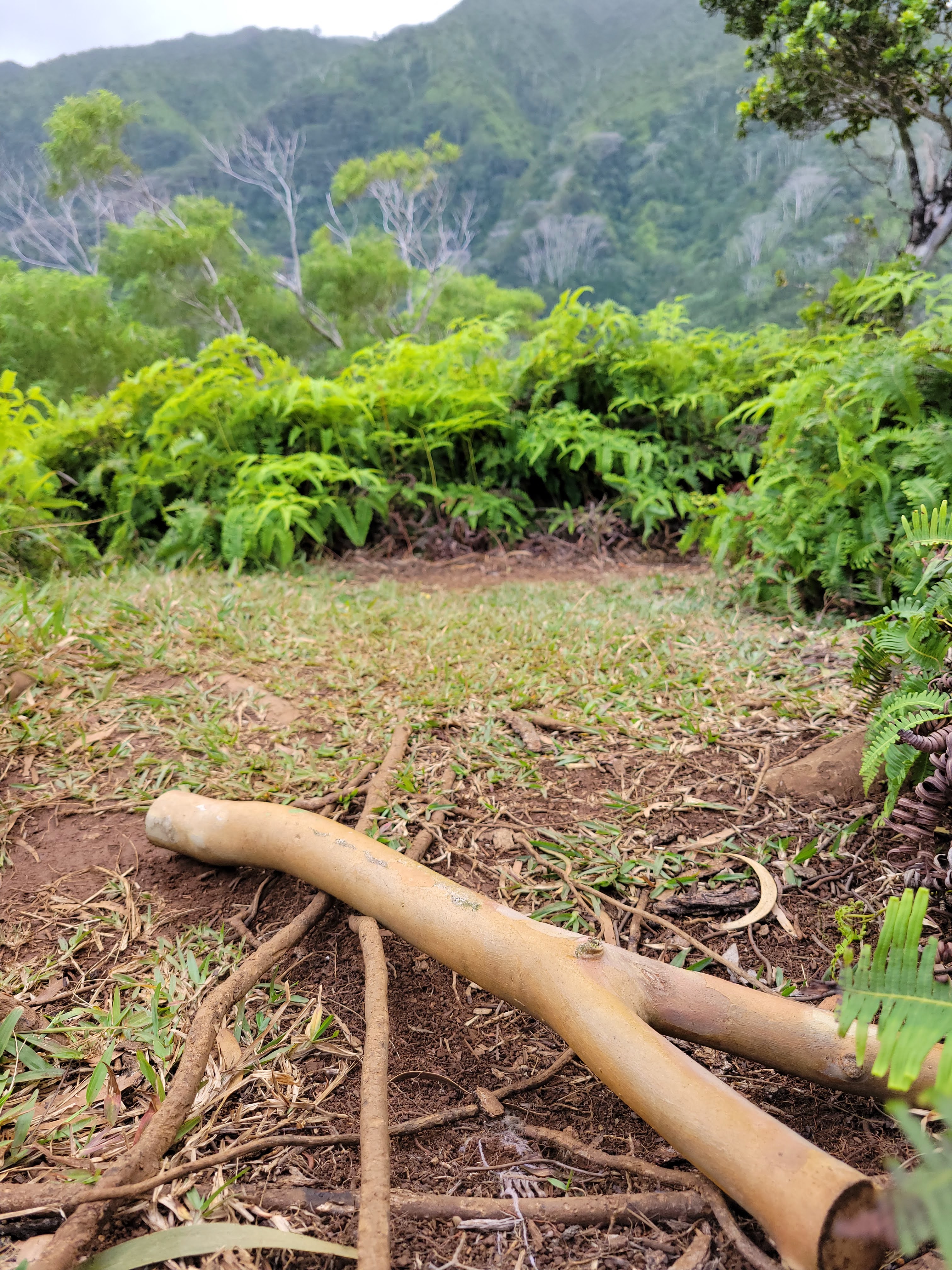
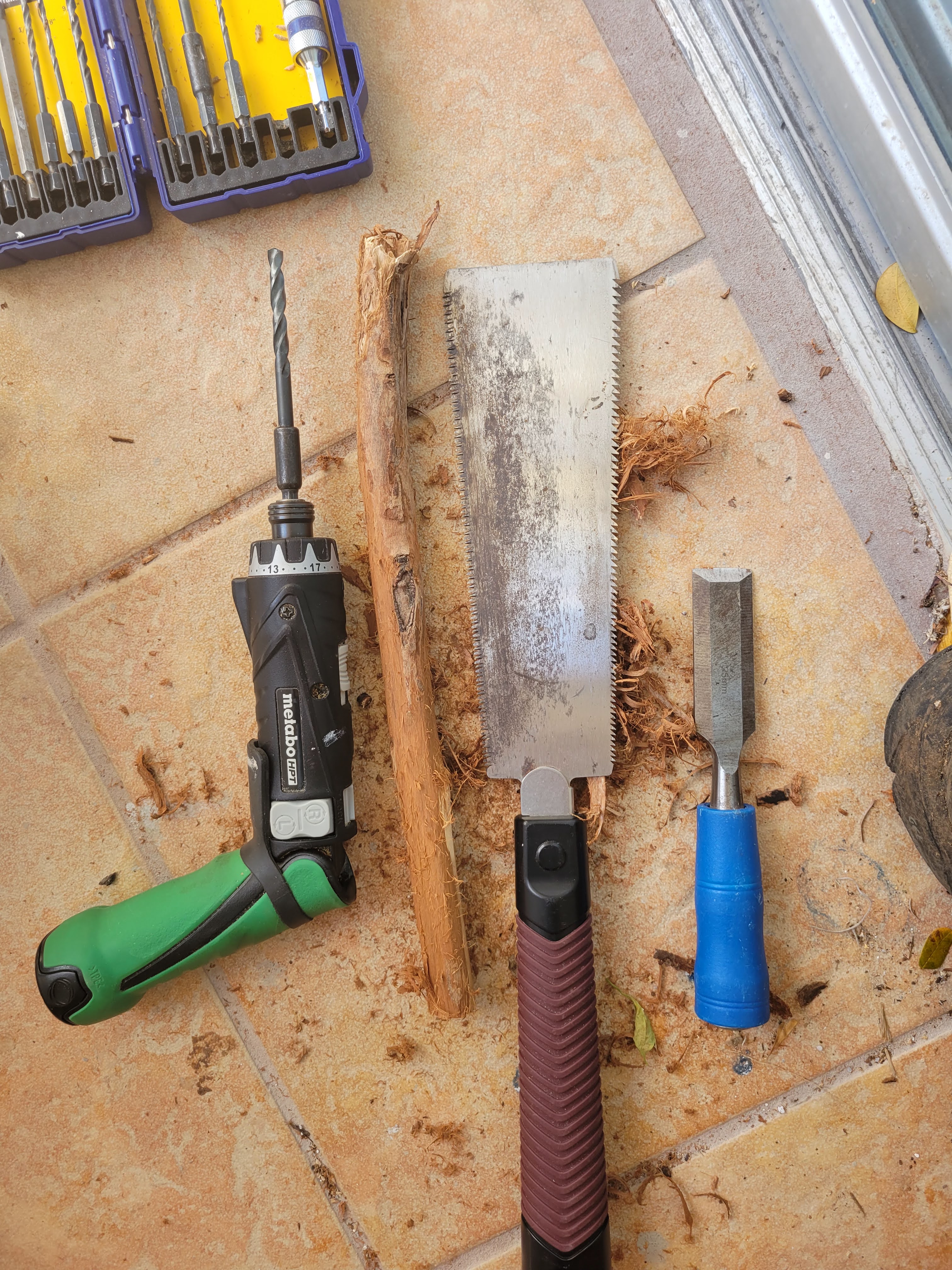
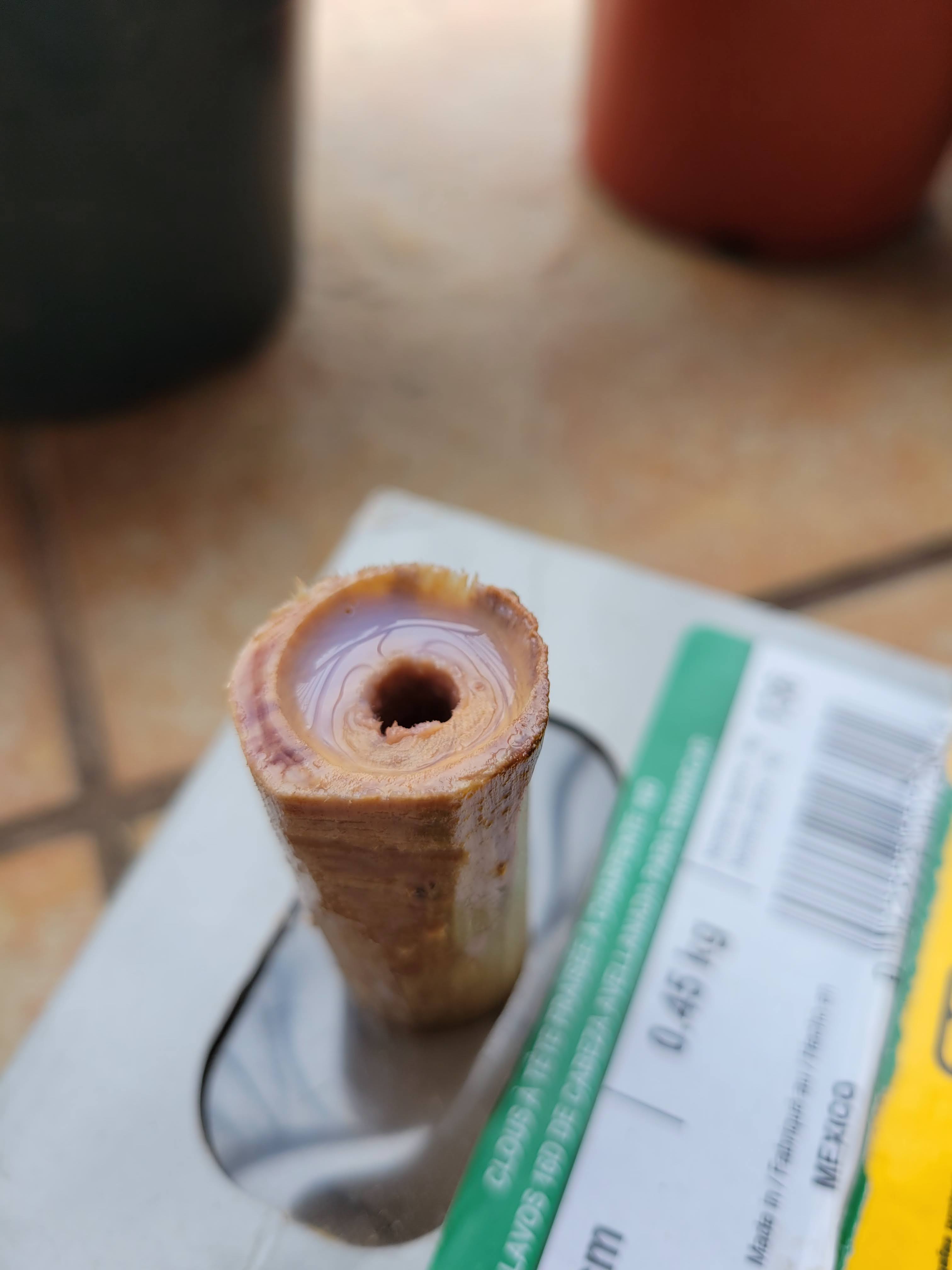
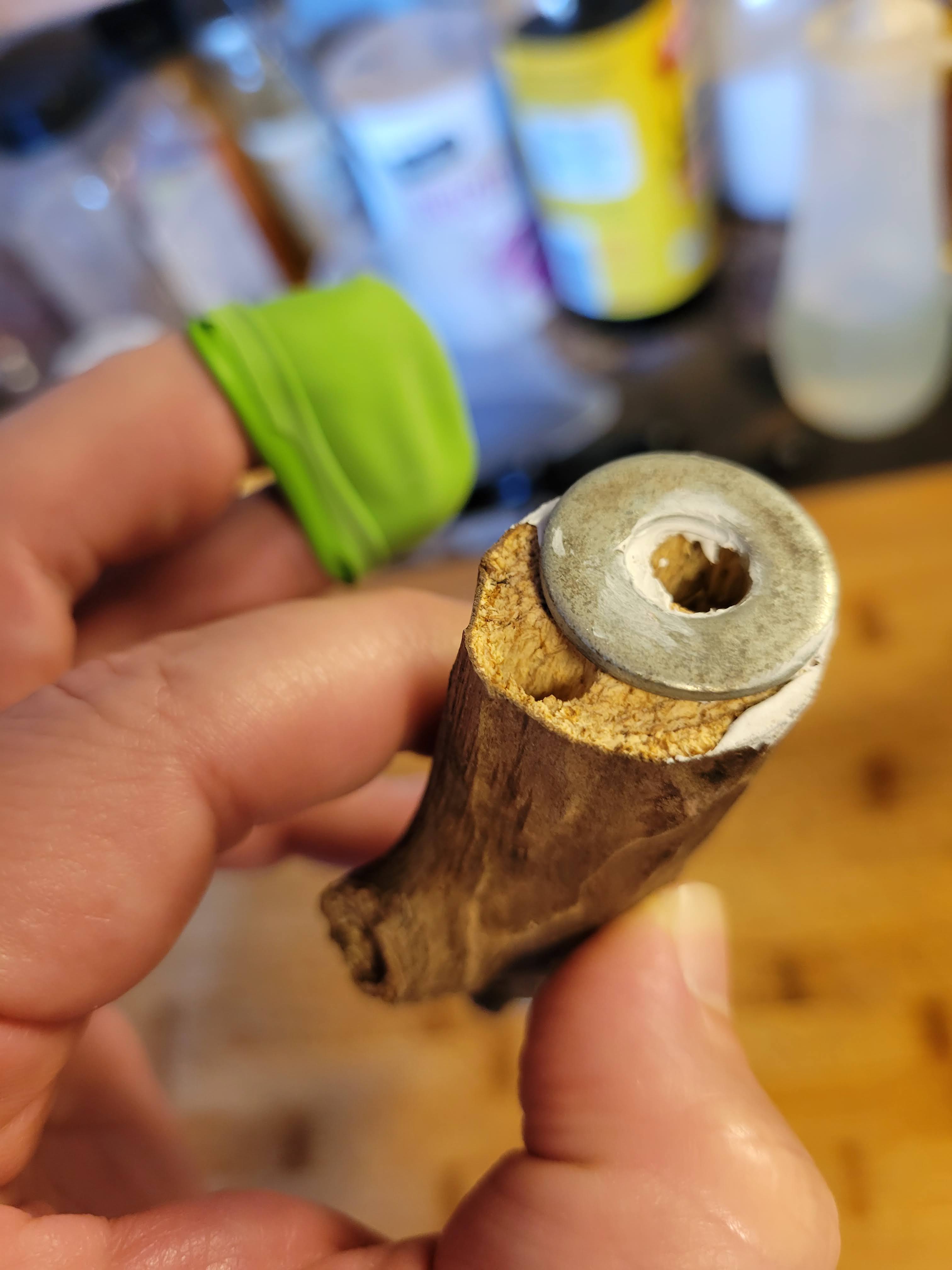
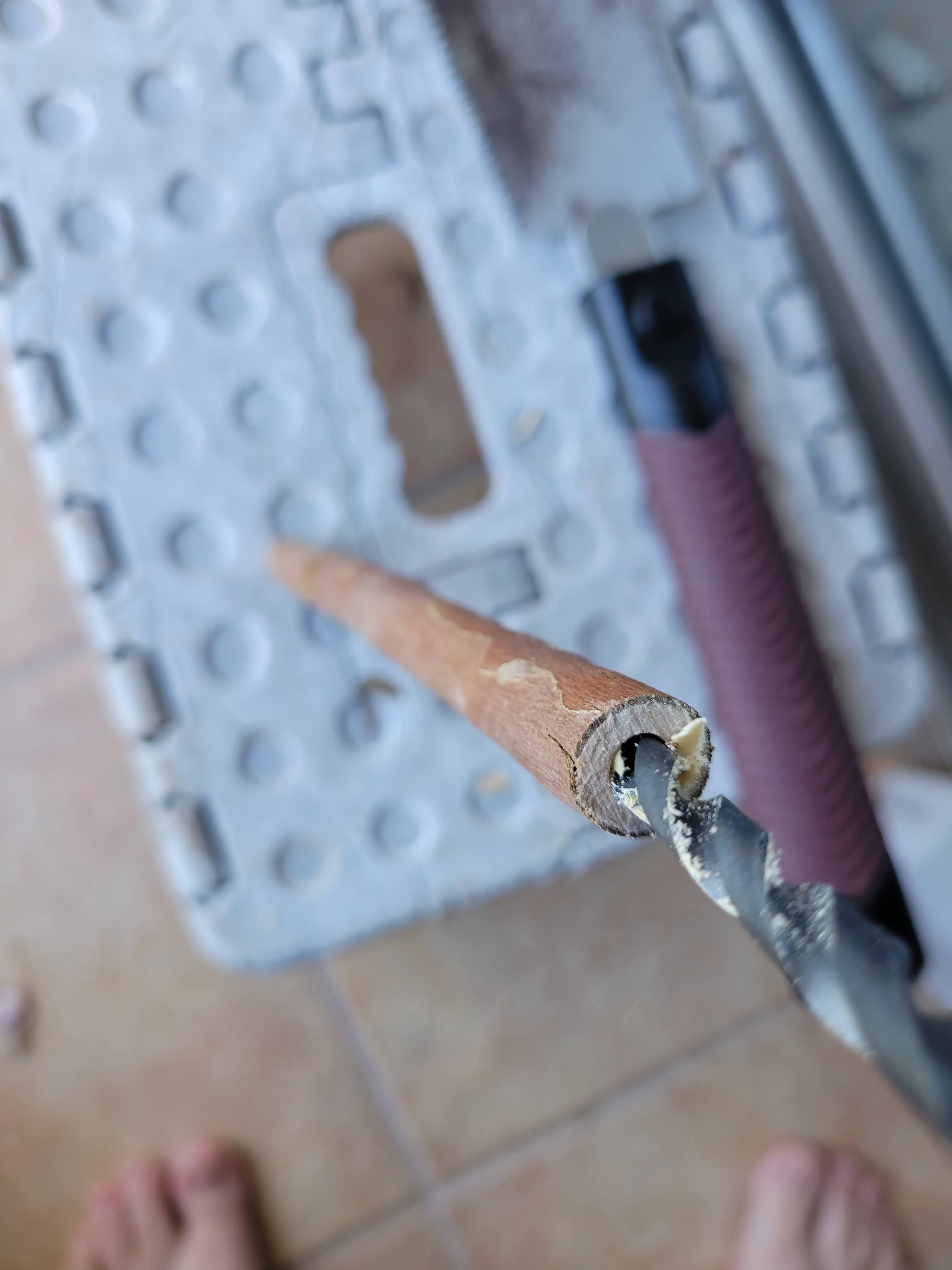
As proof of their functionality, we recorded a 9-track single using the 9 initial instruments.
 Kani ka ʻōpala: music made from Rubbish