
This page is meant to provide program notes and context to the Capitol Modern Exhibit (Fall 2025), Kani Ka ʻōpala: Take a Sad Song & Make it Better, funded by the State of Hawaiʻi Climate Change Mitigation and Adaptation Commission.
The ultimate aims of the Kani Ka ʻōpala project are to connect humans to the places that sustain us, invite all to tread respectfully, to encourage all to acknowledge place, and to reconsider single-use disposability and waste through hands-on, educational, and performative activities. My work endeavors to inspire keiki to think about our footprint, our impact, and our kuleana to our ku‘u home, acknowledging the efforts of all who have come before us in maintaining the place that sustains us all.
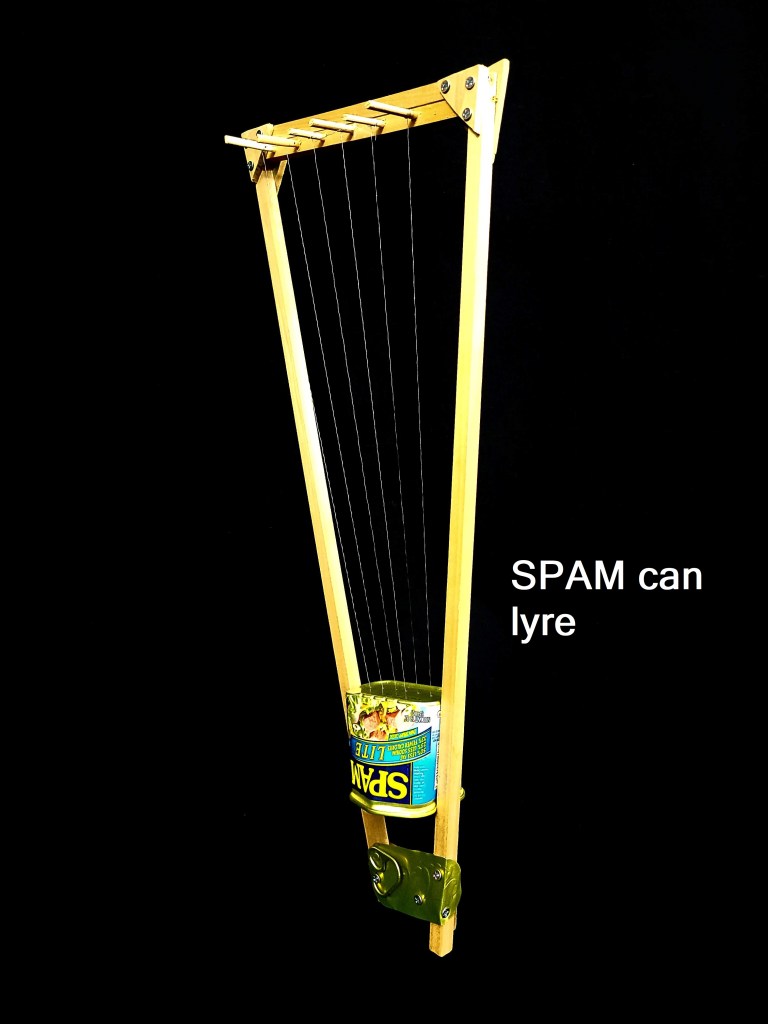
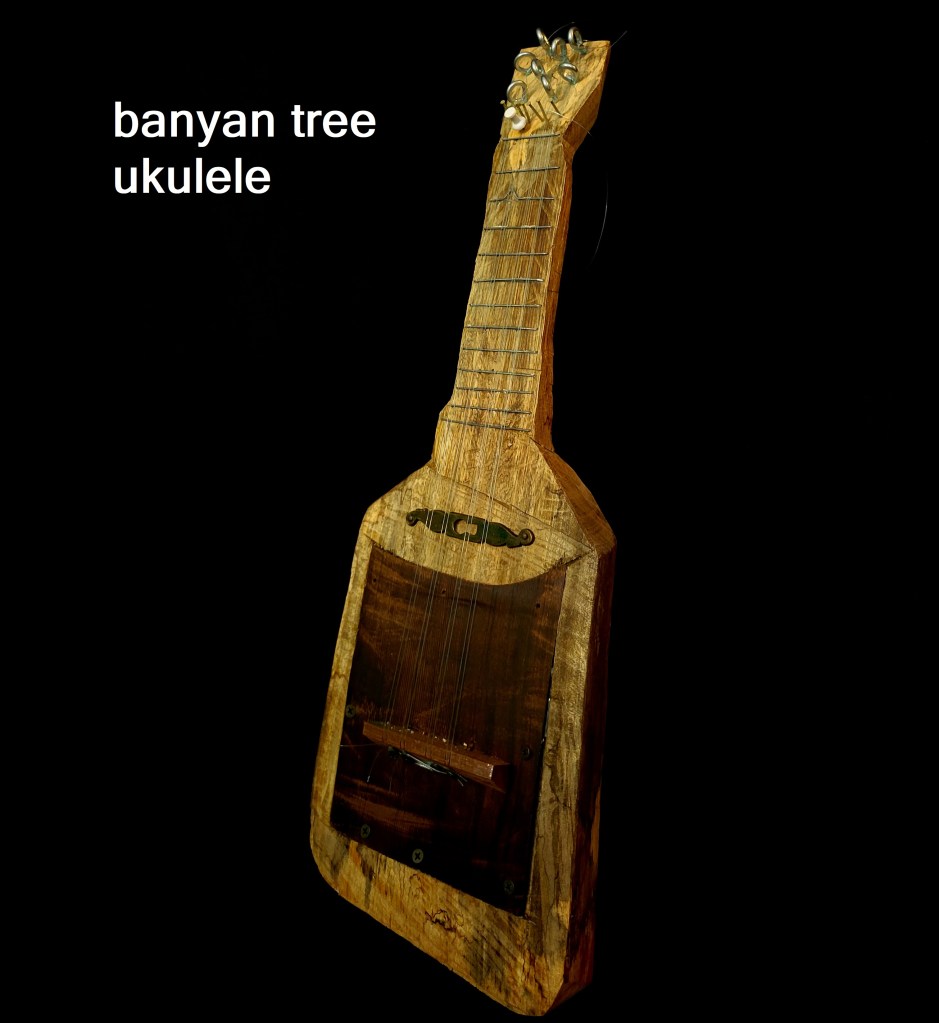
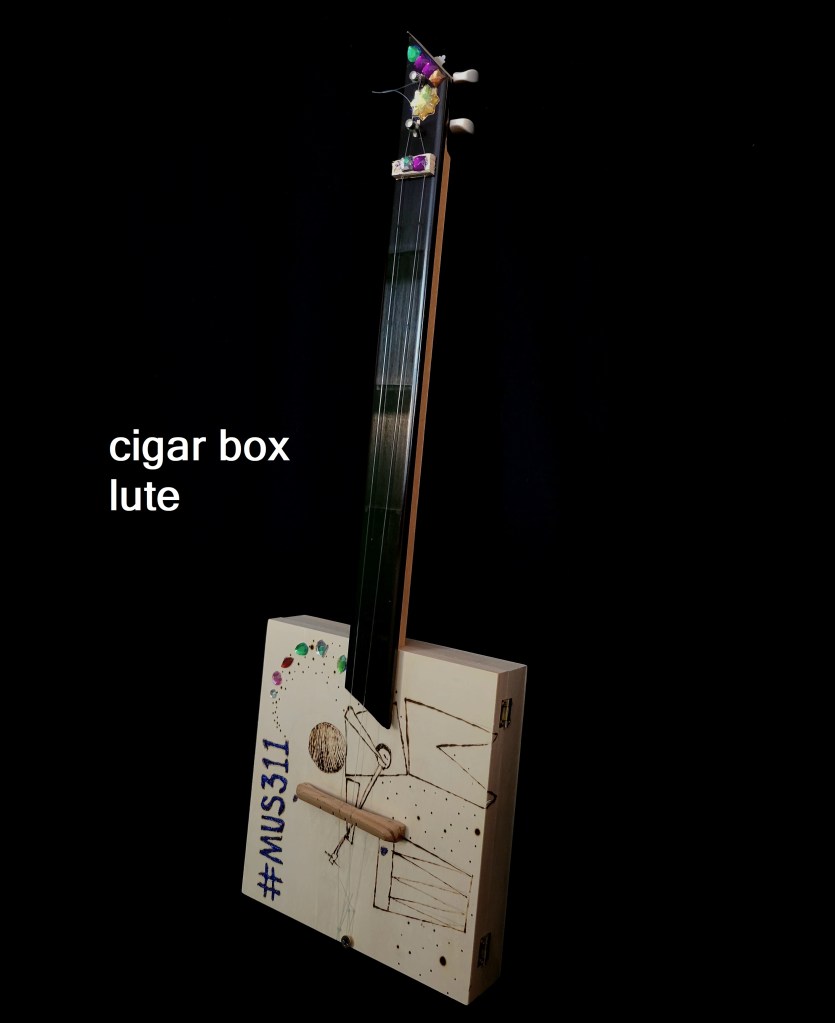
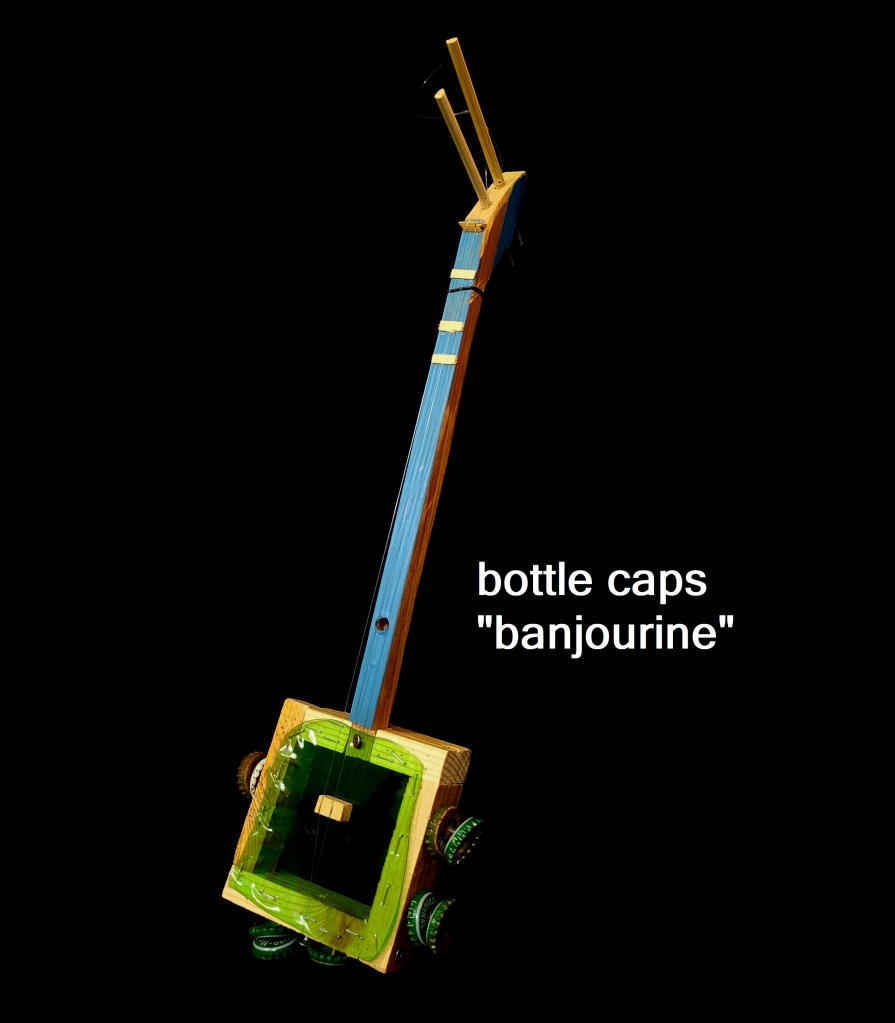
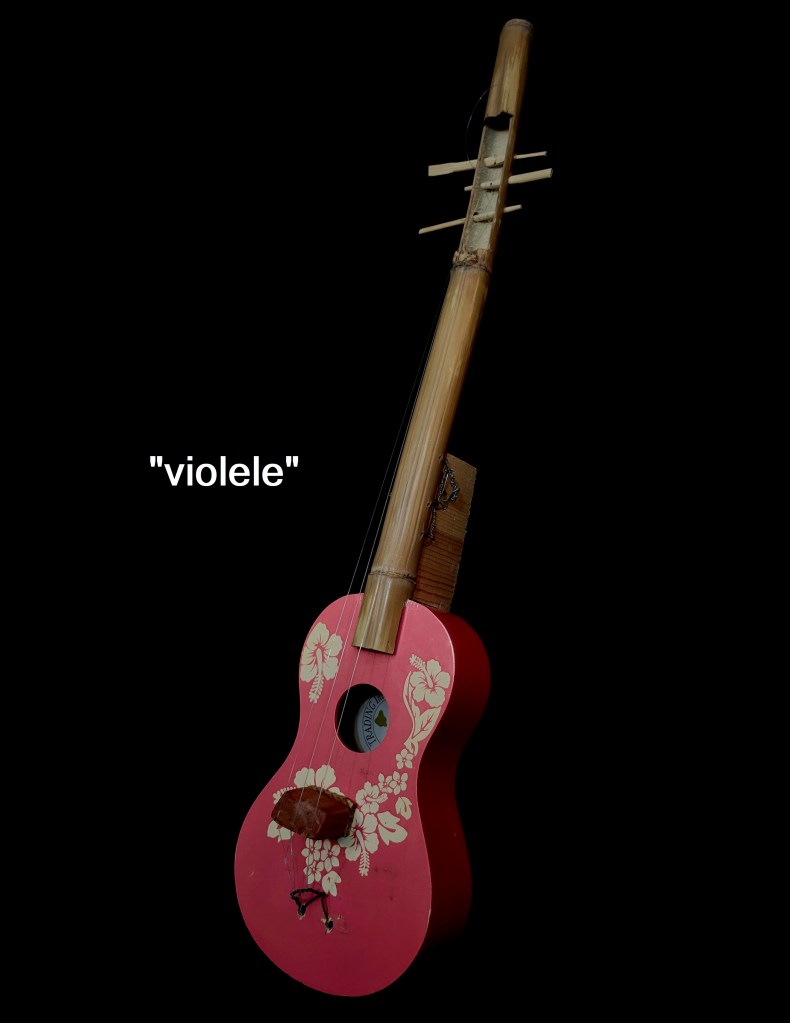
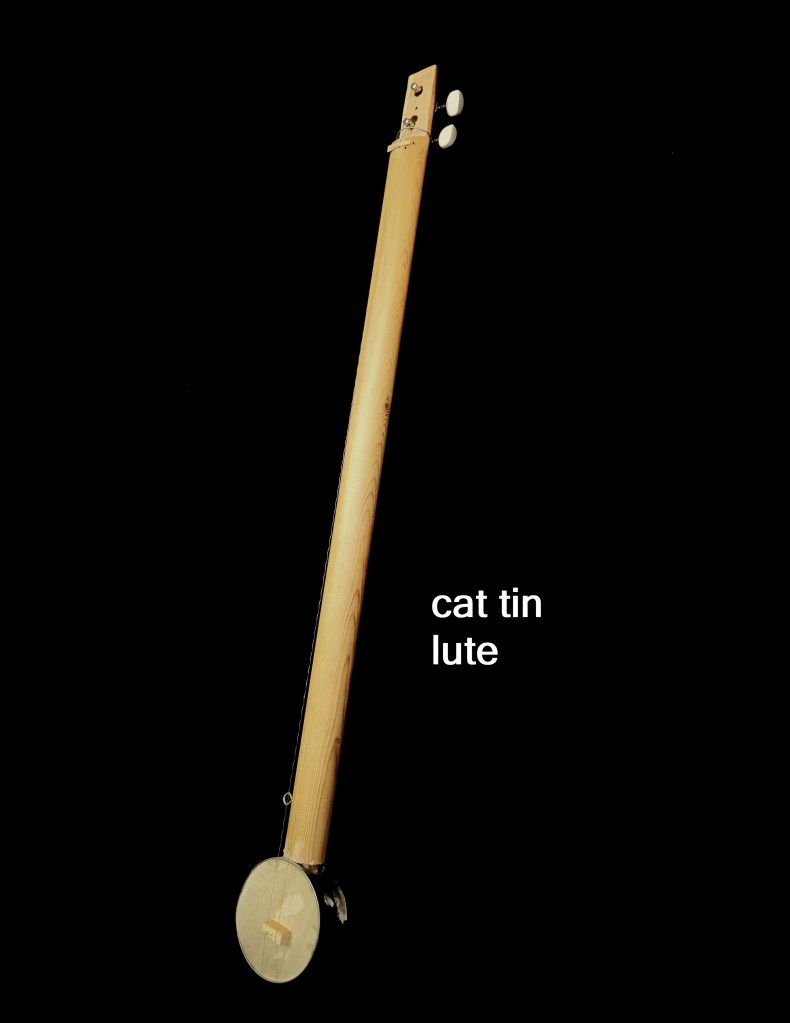
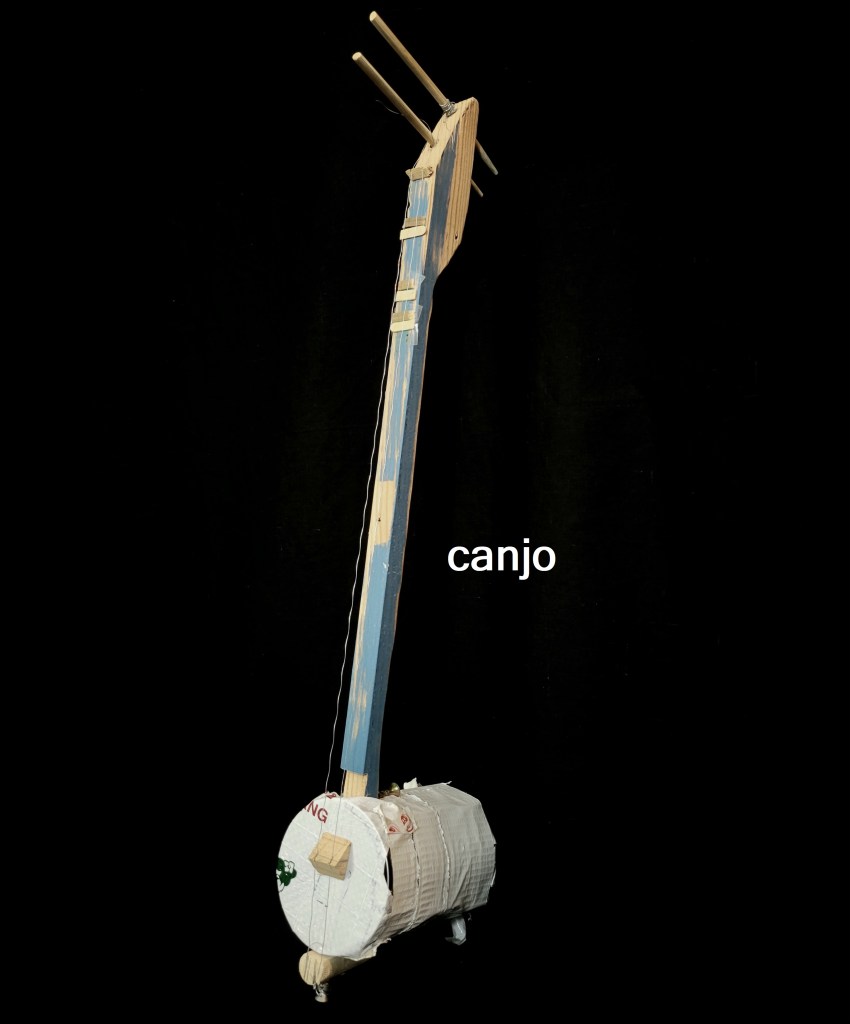
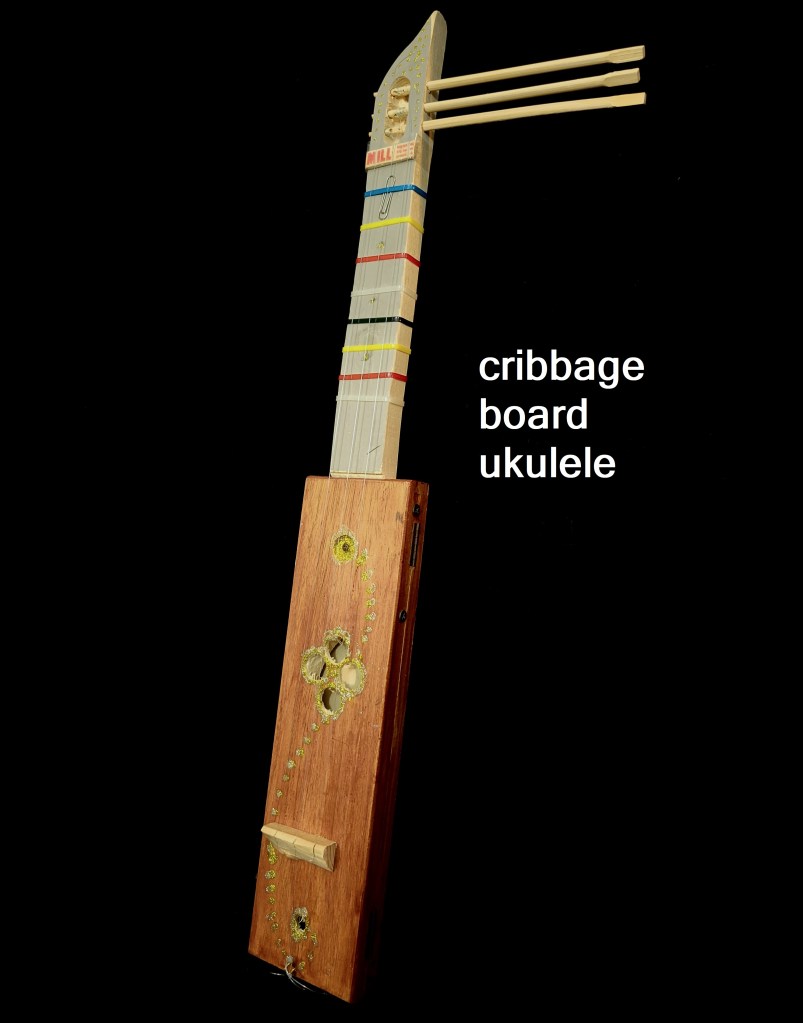
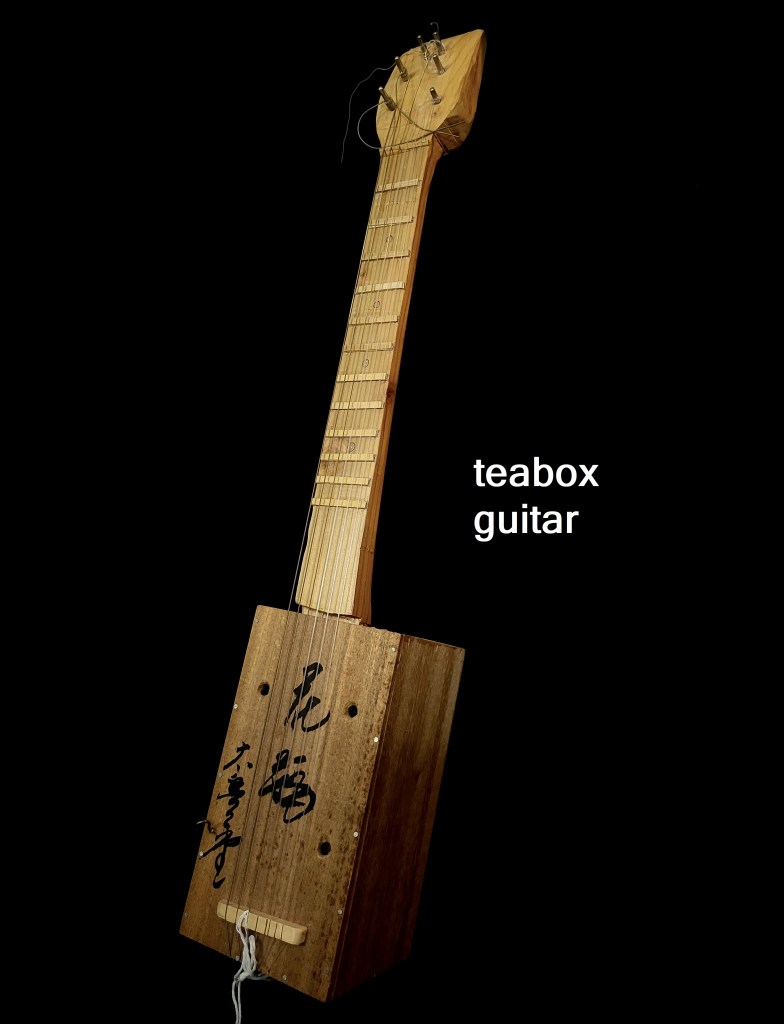
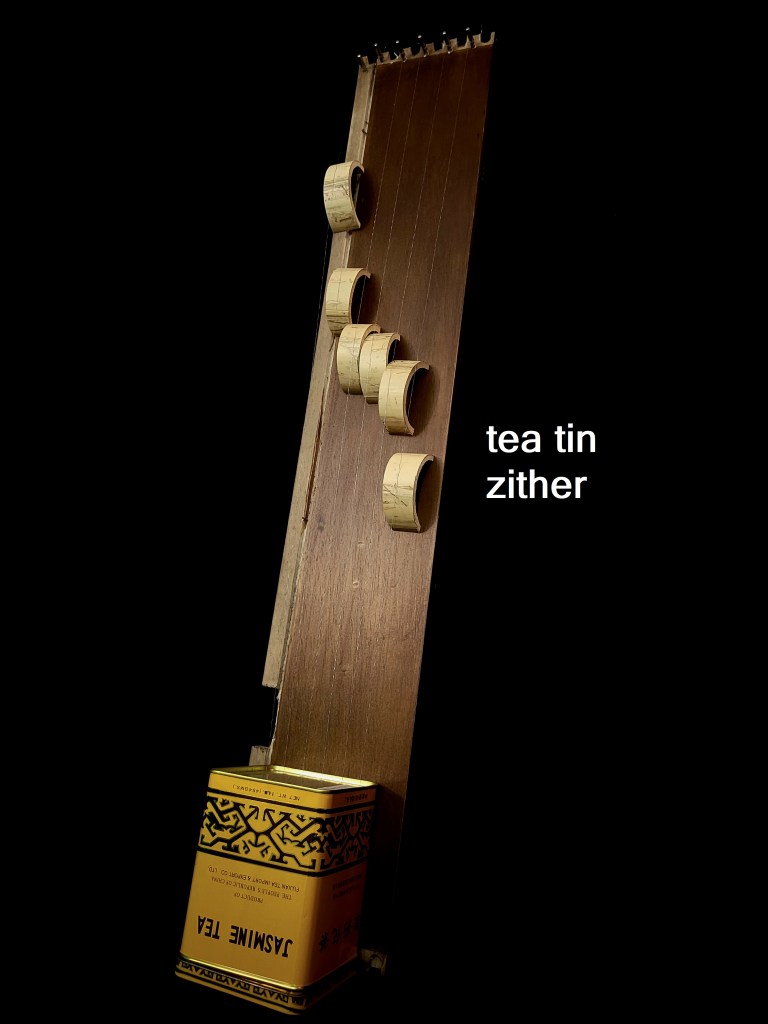
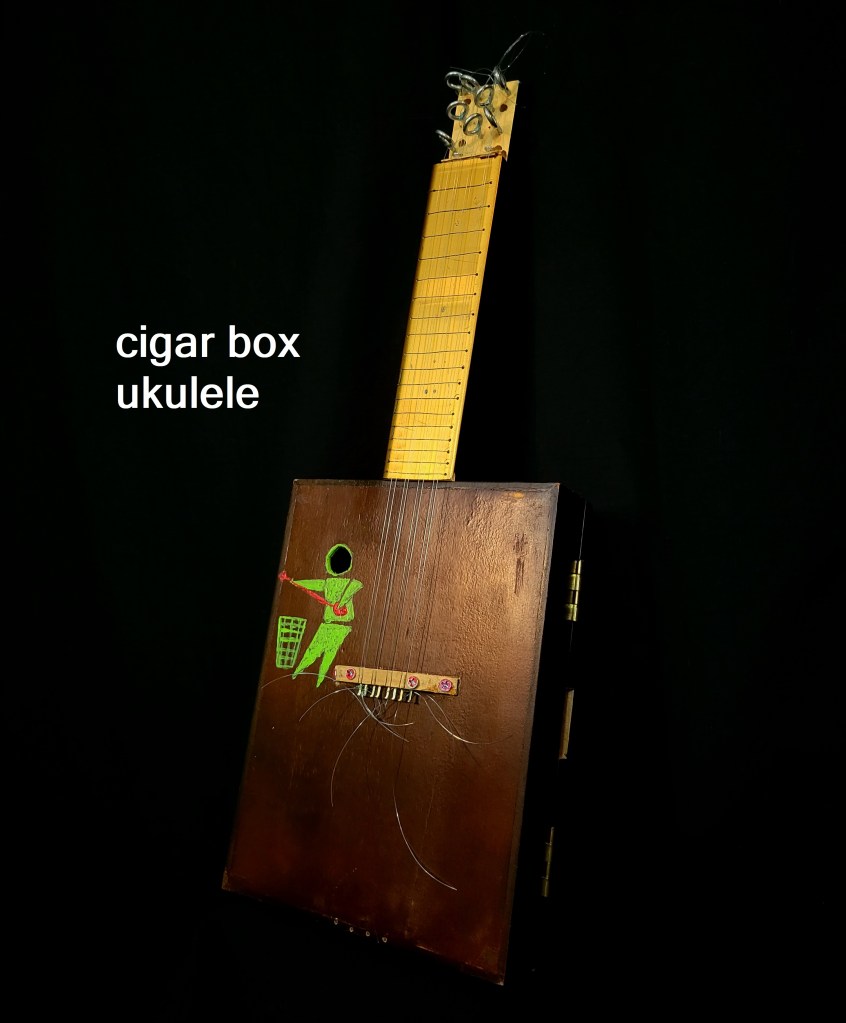
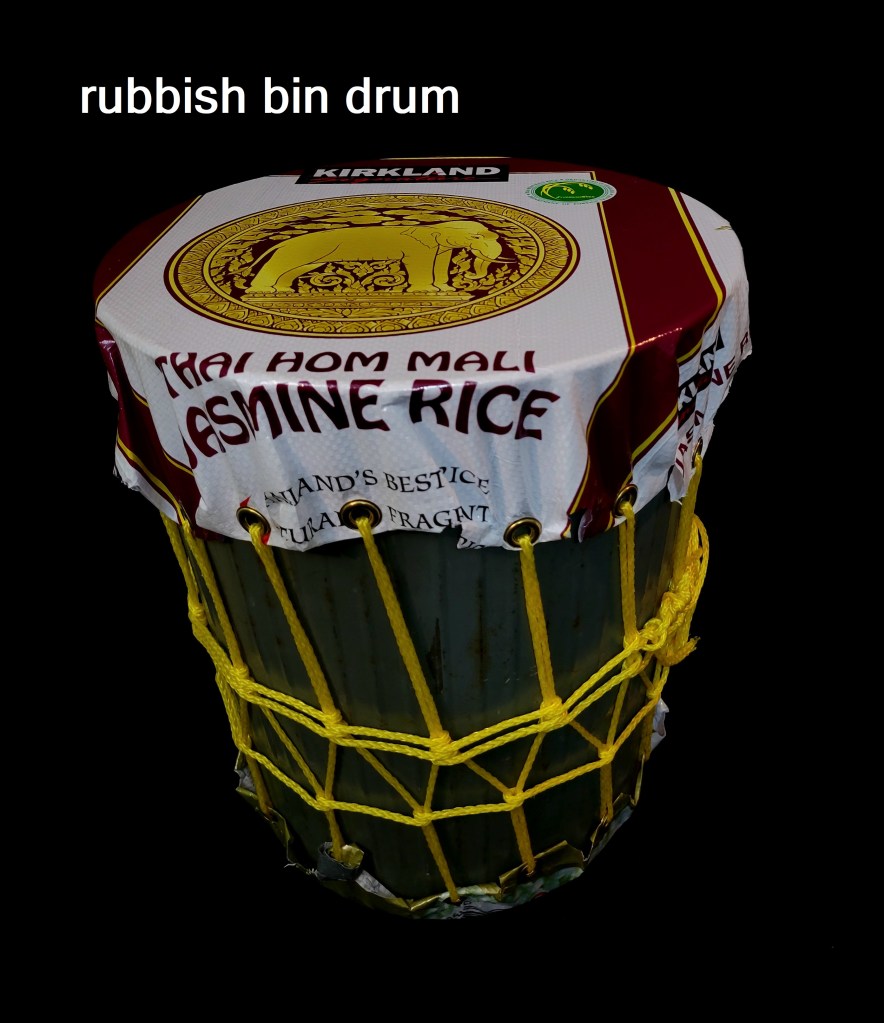
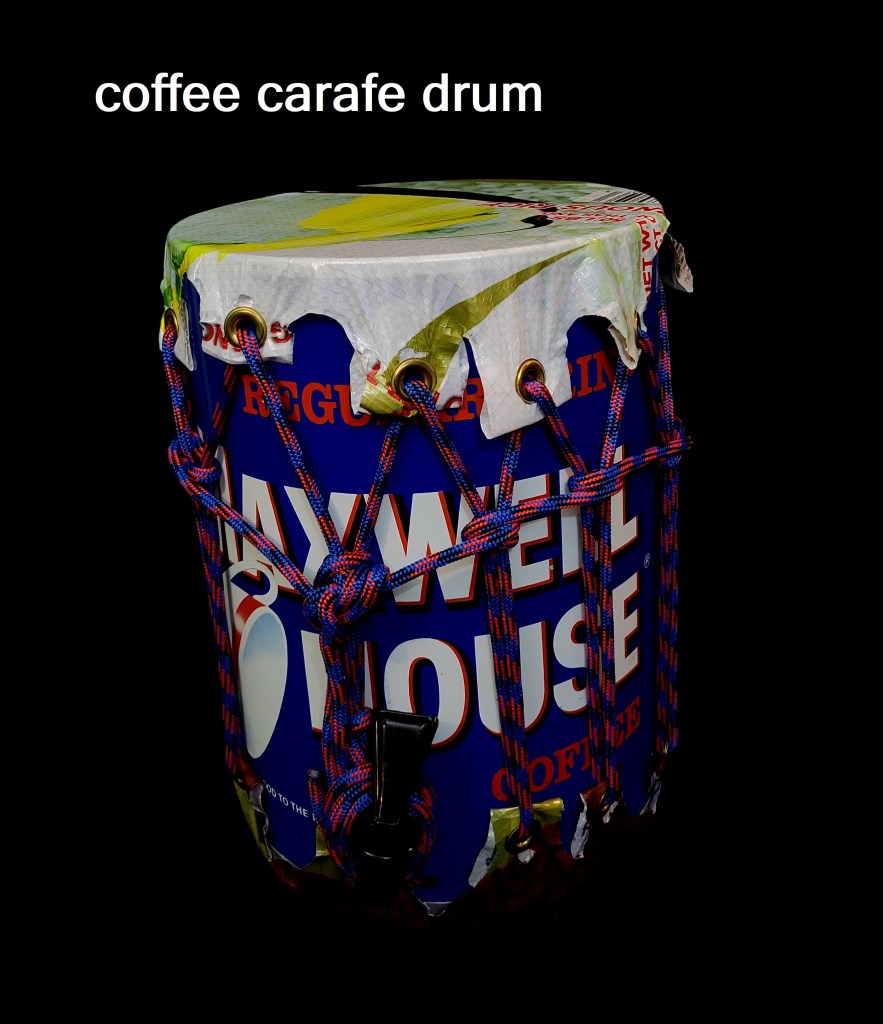
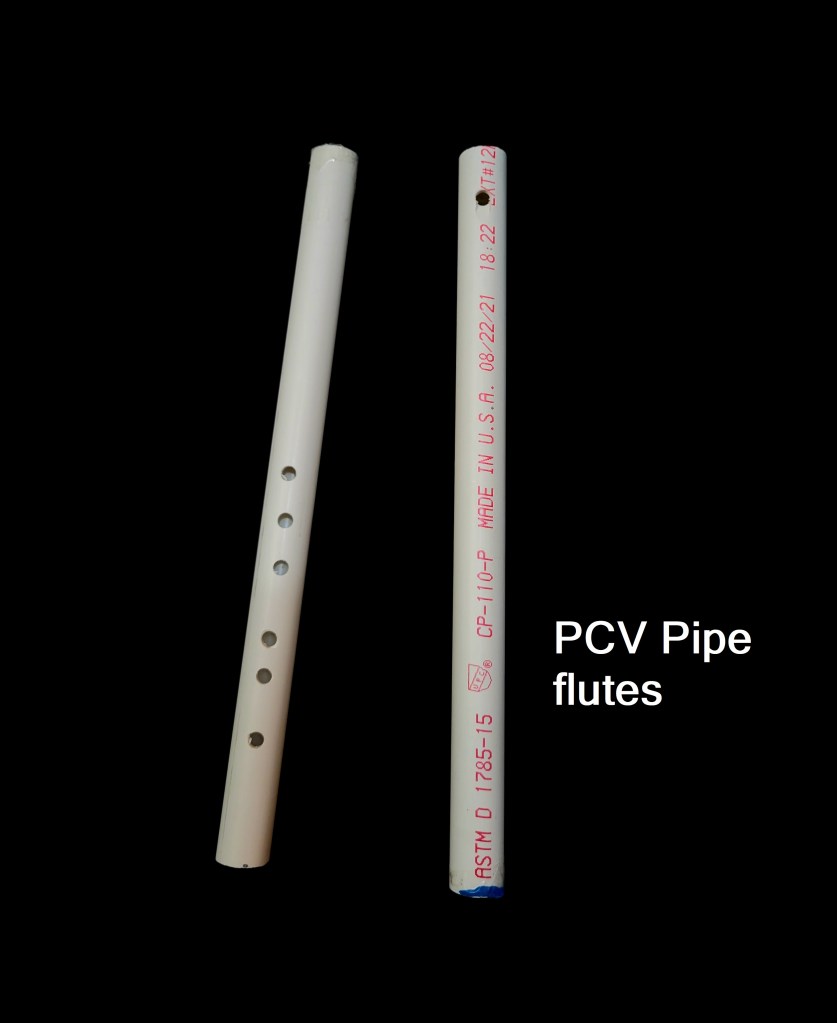
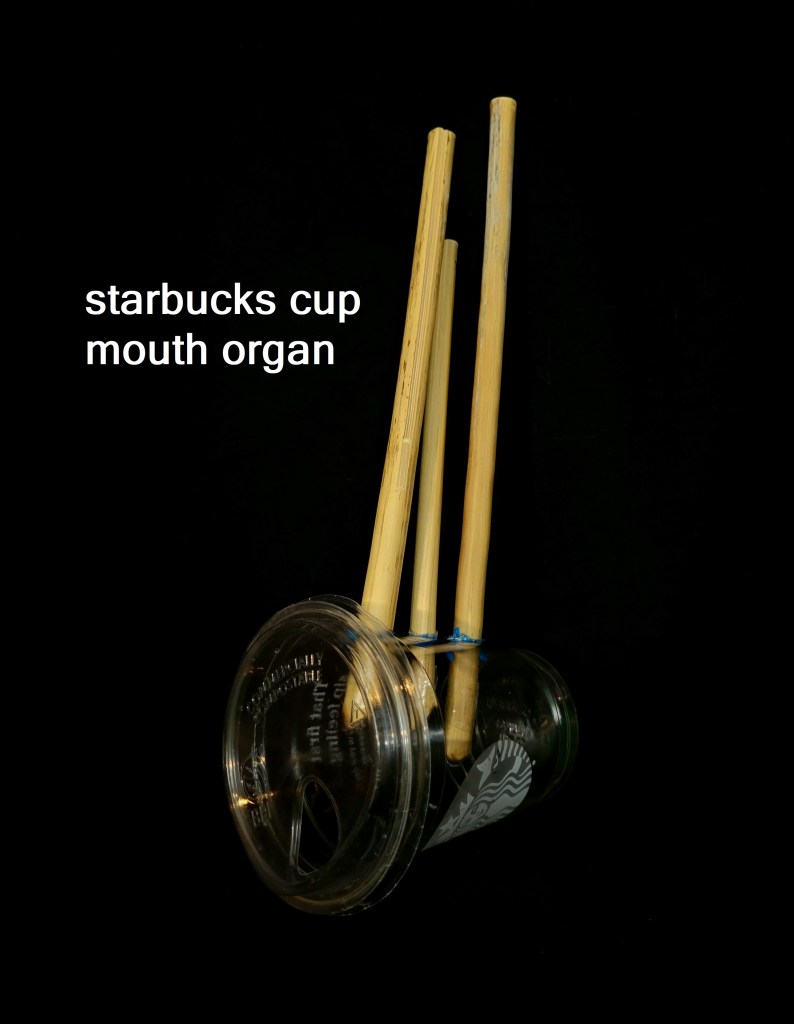
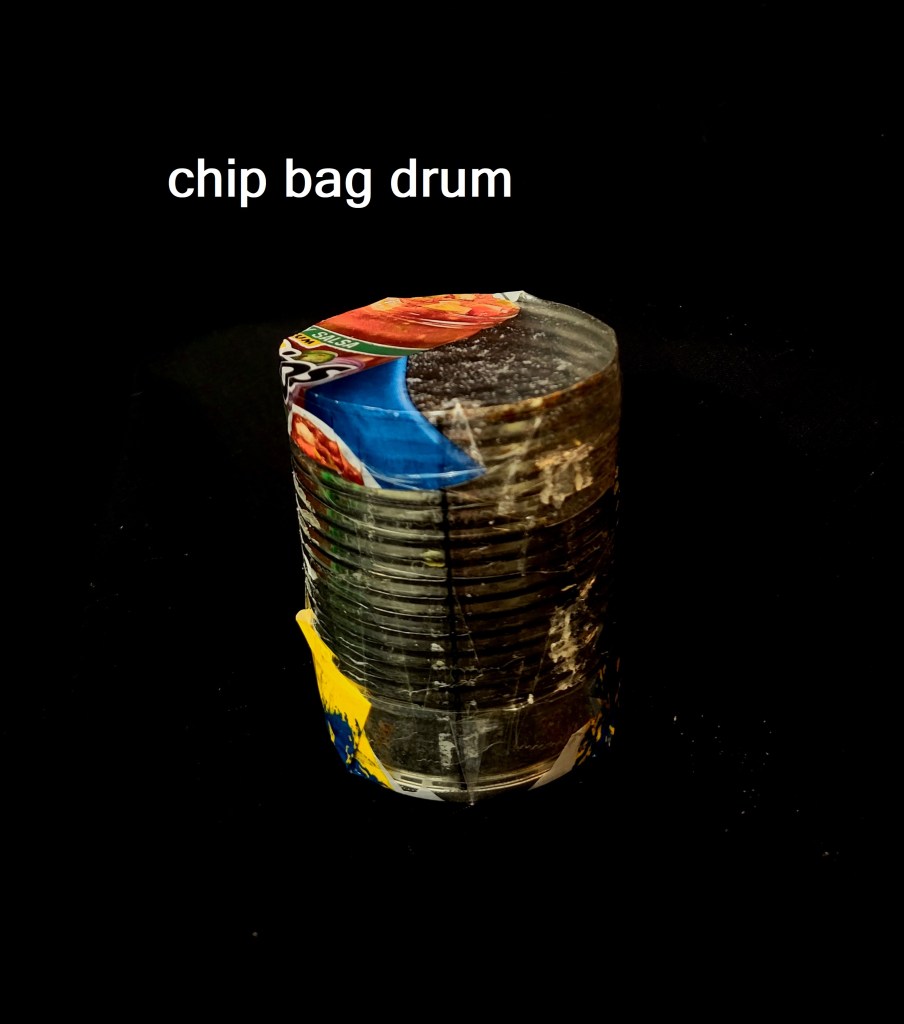
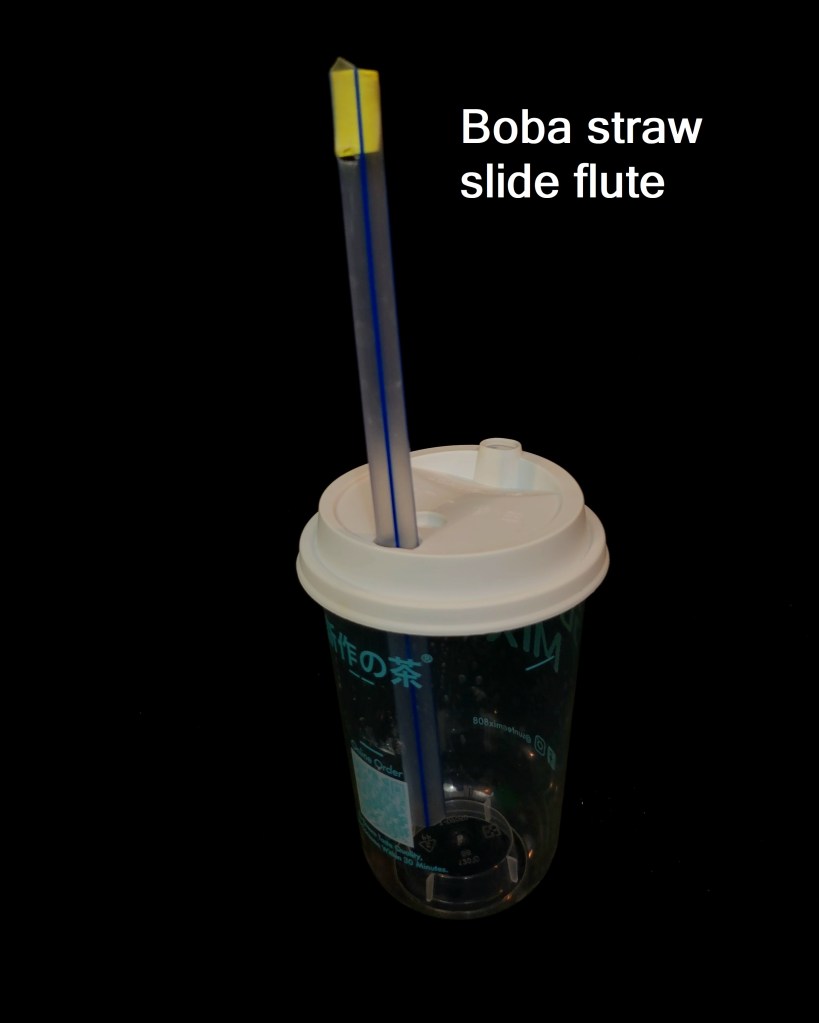
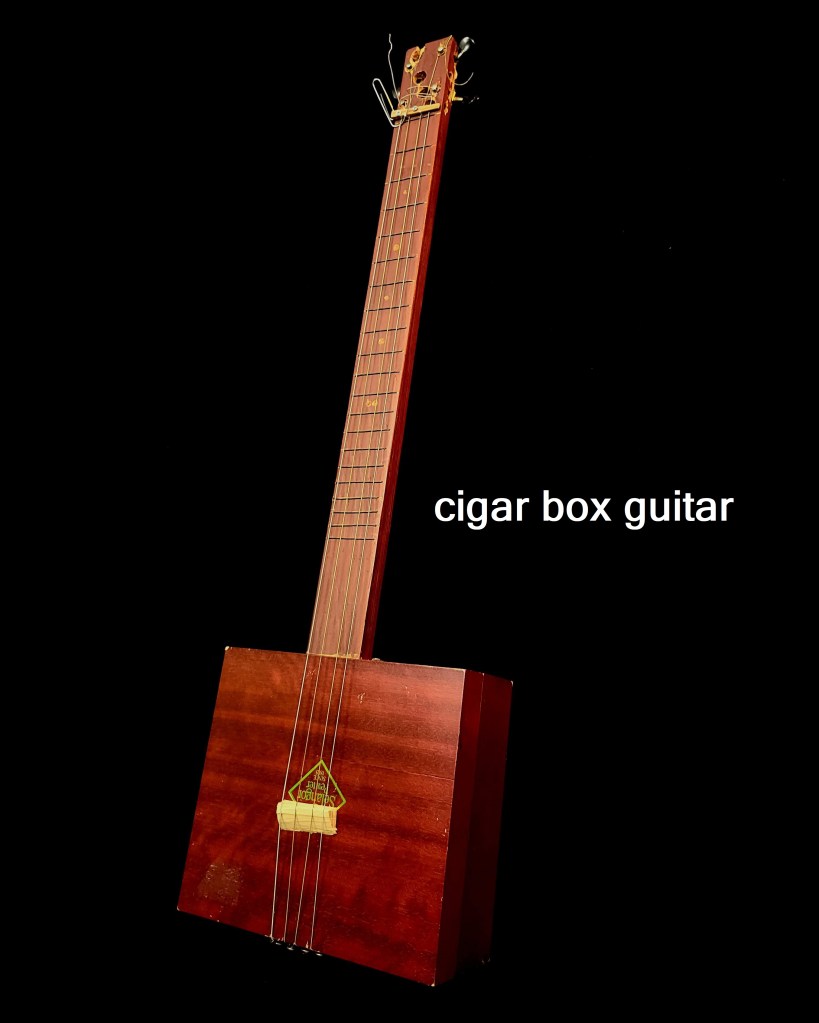
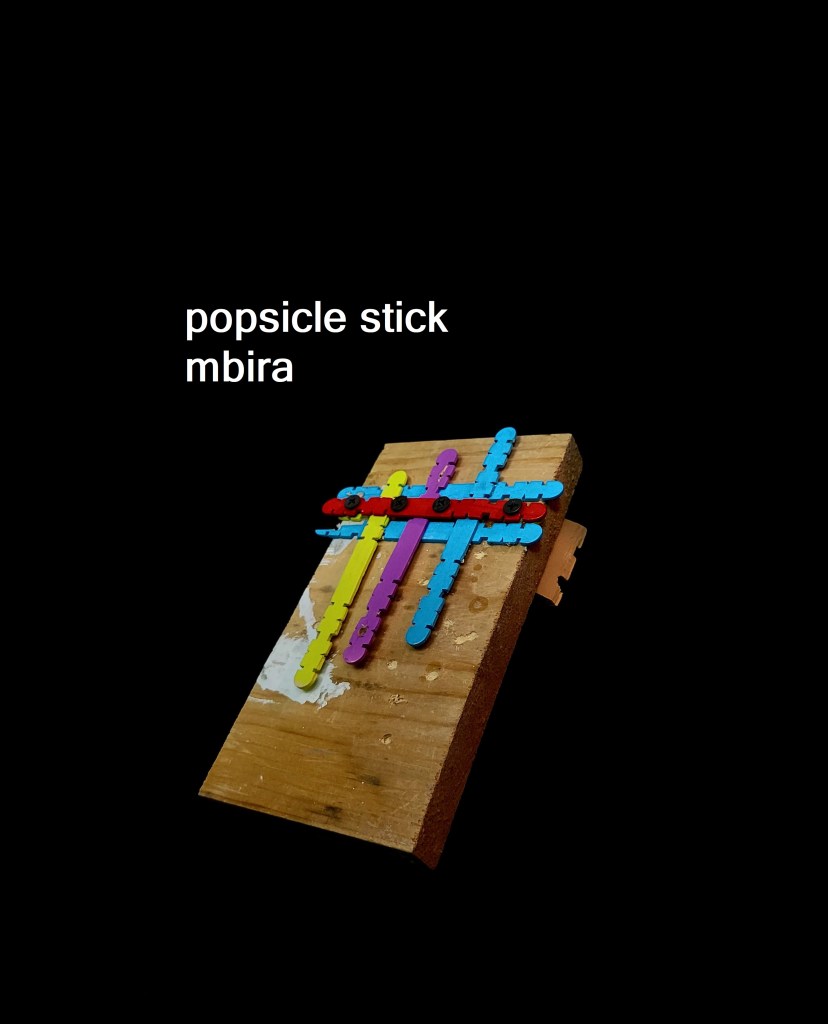
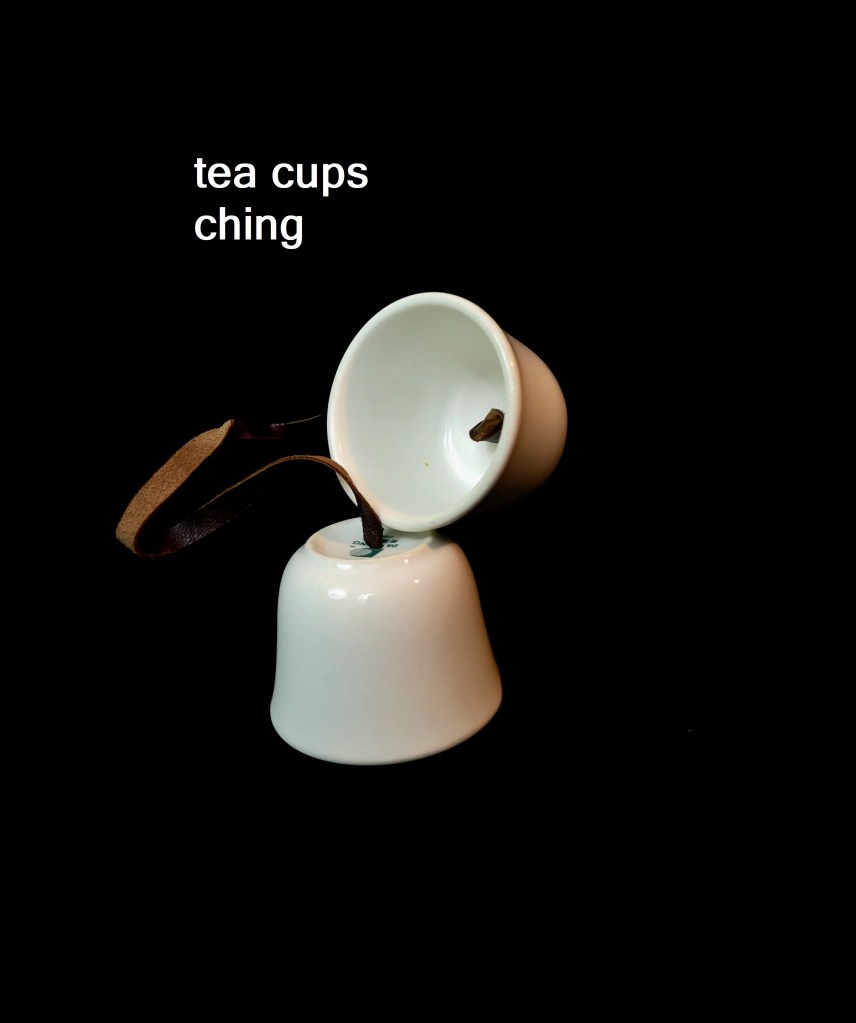
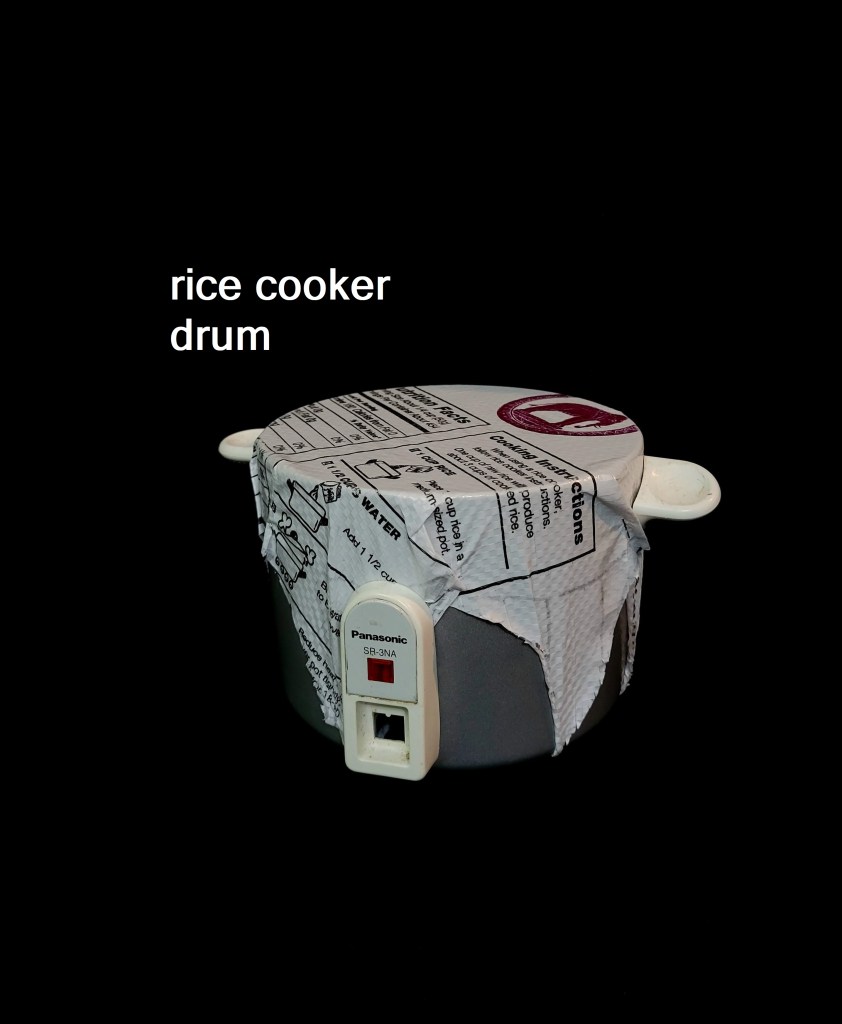
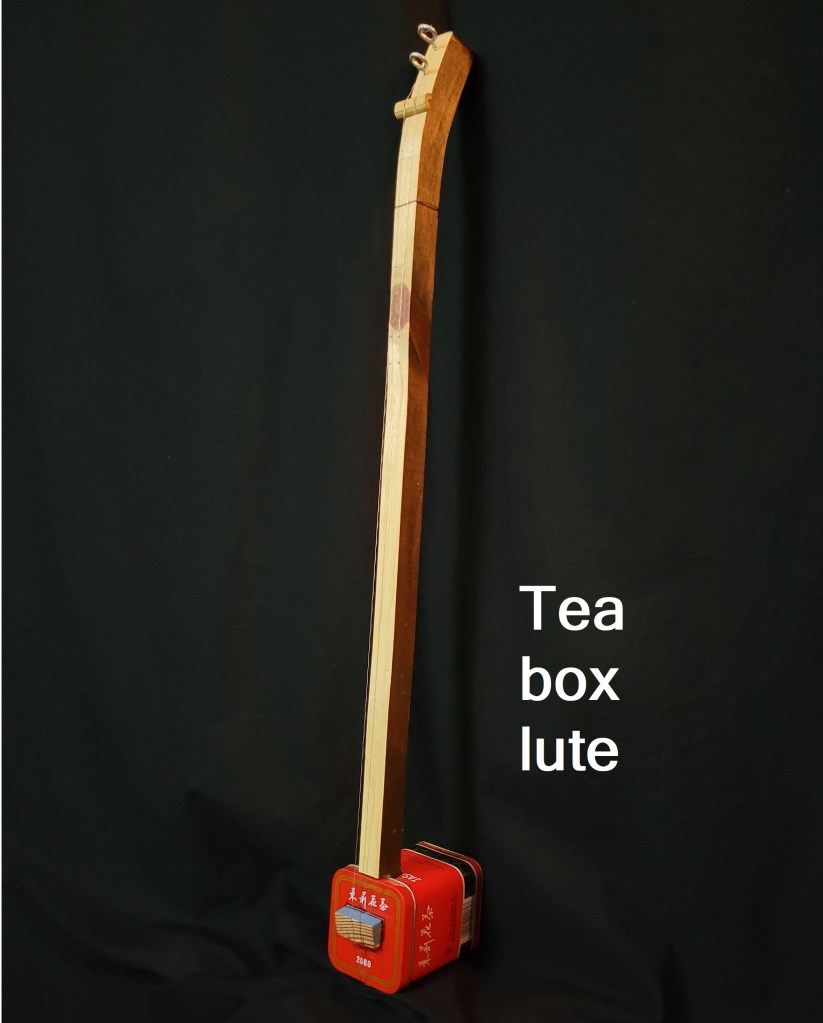
To that end, I’ve been building instruments out of repurposed rubbish found on the streets and beaches of Oʻahu for years (see slideshow below) and am showcasing a portion of these in the 2025 exhibit.





Station 1: Welcome
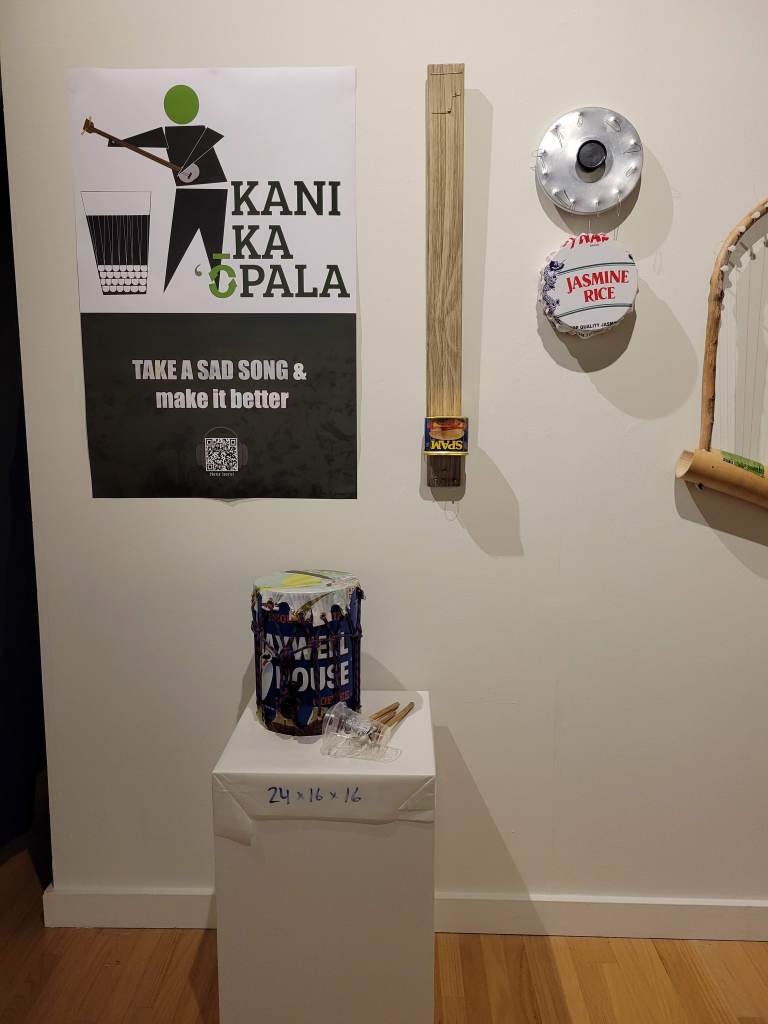
“Take a Sad Song & Make it Better” is inspired by Paul McCartney’s lyric in Hey Jude and alludes to the theme and intent of this exhibit: trash is ubiquitous, it is frustrating, it is omnipresent, and much of it cannot be recycled. While environmental issues may feel overwhelming at times, this project’s interaction with trash seeks to remind us that everything has a voice, anything can be made to sing, and the labeling of anything as “worthless” is something we should question. What if, instead of believing something to be without value, we look at it more closely and acknowledge its potential? What possible futures might we encounter or create?
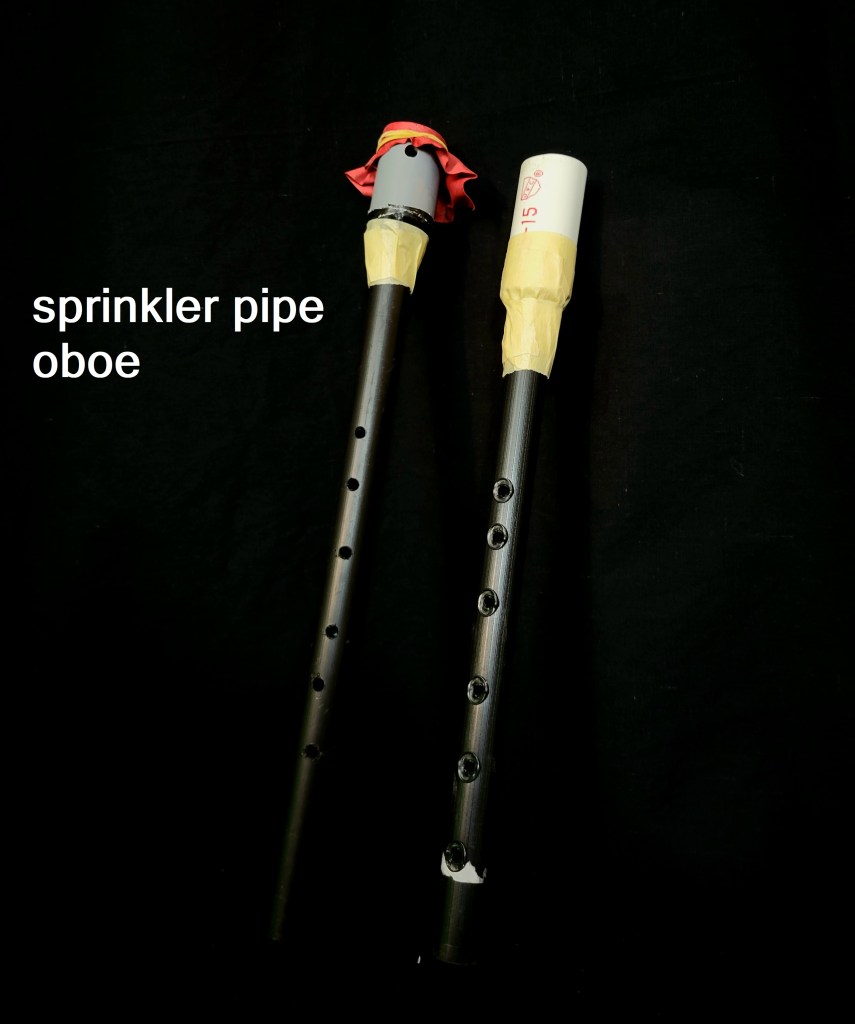
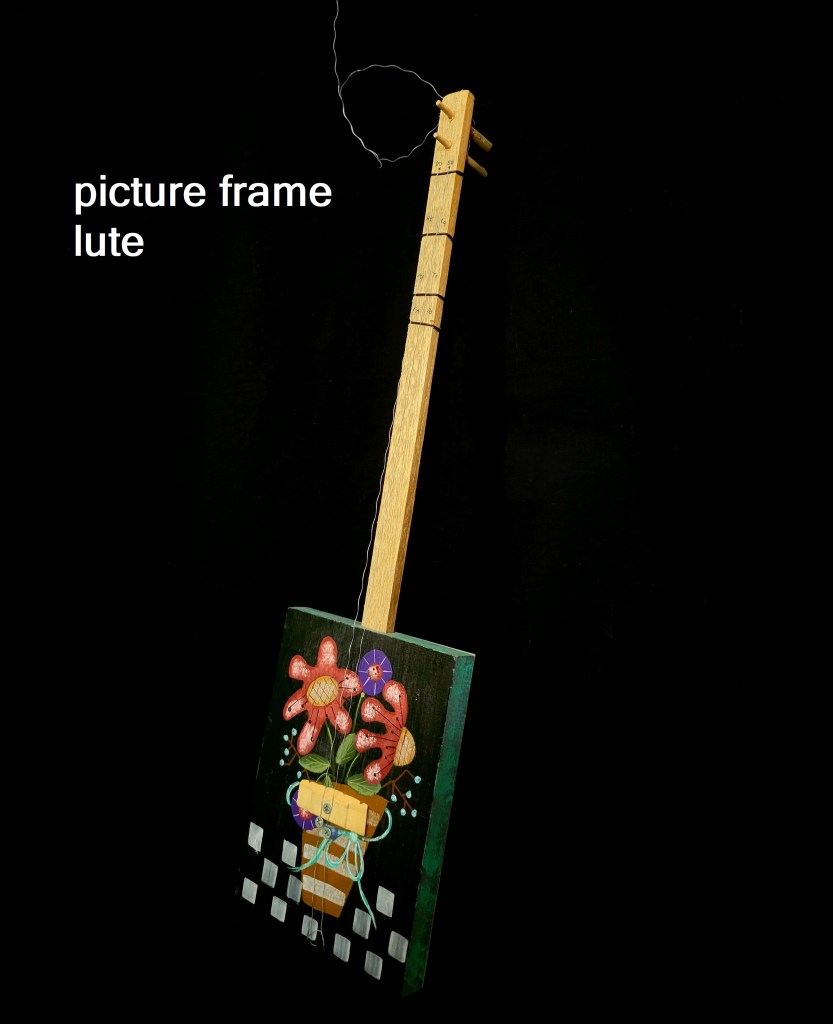
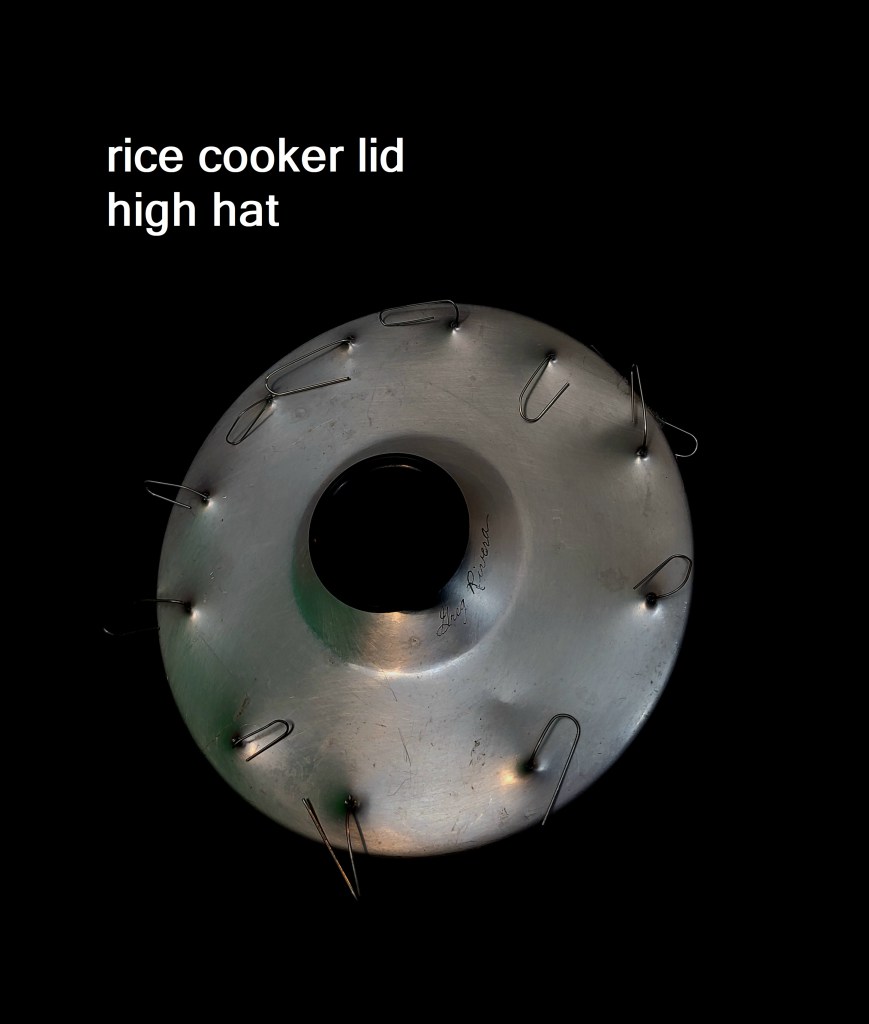
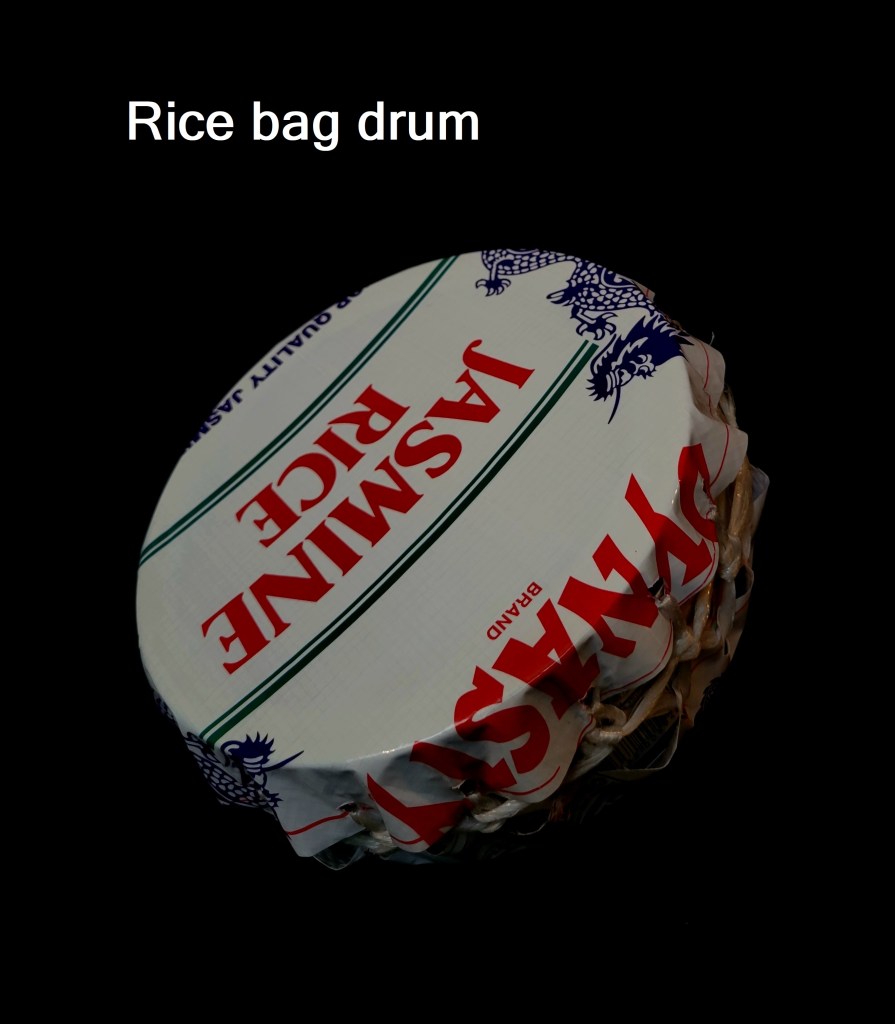
The instruments used in this song include
- drums made from trash cans, tin cans, rice bags, 2-liter bottles, bamboo, bottle caps, trash bag, and rice cooker lids.
- wind instruments made of boba straws, PVC pipes, bamboo, sprinkler pipes, and a plastic coffee cup.
- SPAM can guitar (bike brake cables for strings)
- Violin made from salvaged ABC story ukulele, fishing line, and bamboo.
Station 2: The soil (aluminum)
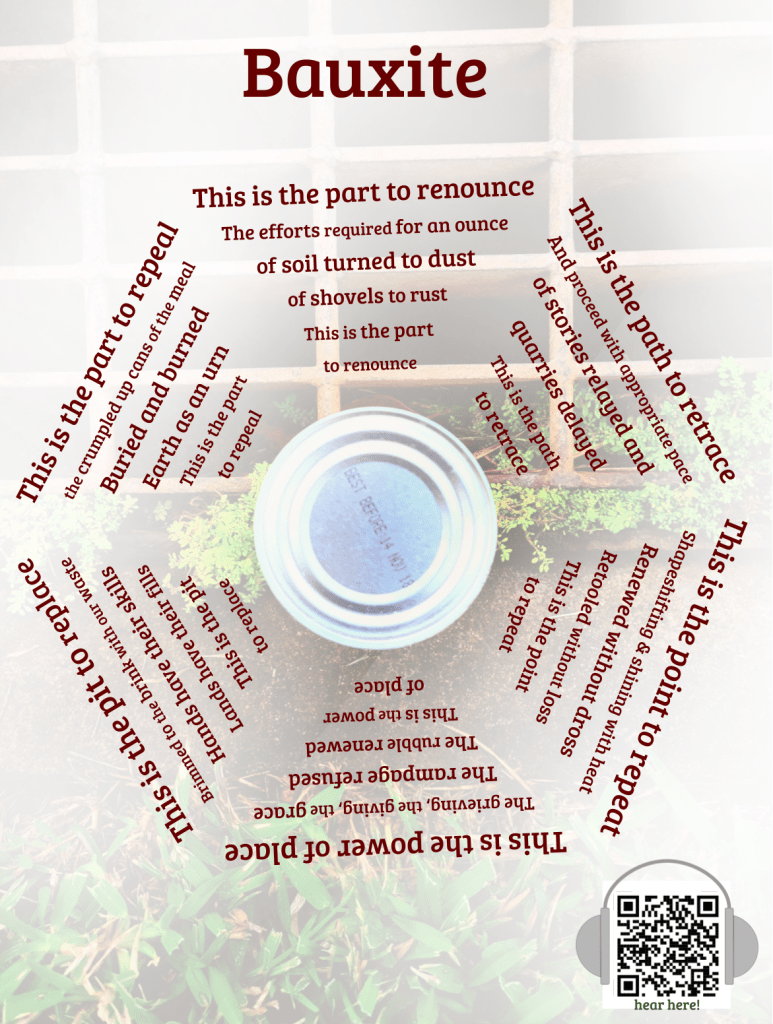
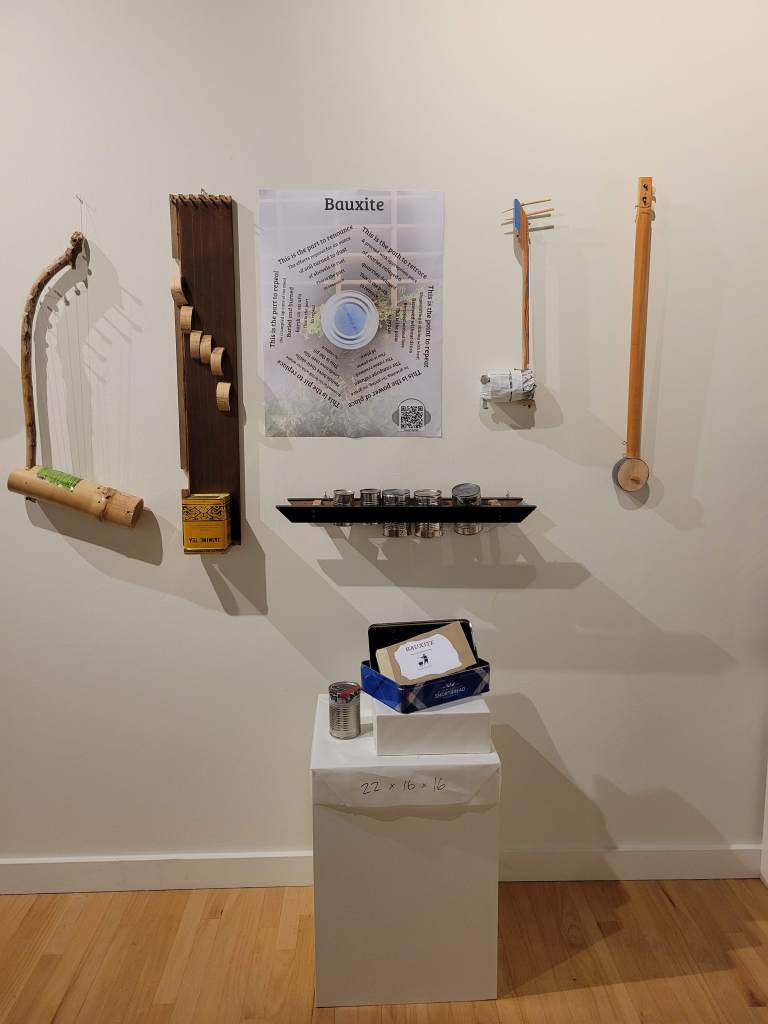
Second on our tour is a deeper dive into the trail of tin. How is it sourced? How does it get all the way here? And what happens to these empty containers once they’ve served their purpose (delivering content)? Aluminum cans are 100% and infinitely recyclable: we could theoretically keep melting and reshaping them with no loss of structure or volume. We technically don’t need to keep disposing of them and re-sourcing the same materials over and over again. But recycling, while possible, maybe isn’t always as convenient as using them once and throwing them “away.” This section includes a visual verse + song performed on instruments made from tin cans, as well as a cheeky children’s booklet.

Station 3: The Sea (glass)
Have you seen the rains bring the mountain to the shore? This installment celebrates the sea. Water is an extremely powerful force in nature, breaking apart mountains and moving their remains all across the globe. In seeking to create musical instruments from all categories, the ocean provides us with glass (melted down quartz and feldspar grains). Glass vibrates as a solid, and filling a glass container with water adds mass, slowing down the rate of vibration (which we interpret as a drop in pitch).
This station is meant to be interactive: by scanning the QR code and positioning yourself in front of the glass-o-phone, you can play along with the song:
The sea is also, unfortunately, the ultimate downstream repository of much of our waste (predominantly plastics). To highlight this, I partnered first with students at Ala Wai Elementary (under the direction of art instructor Stacey Stewart) to create a kelp forest made from decorated plastic bottles. These students were asked to interpret the voyaging-inspired lyrics of the song above and represent it visually by painting the bottles:
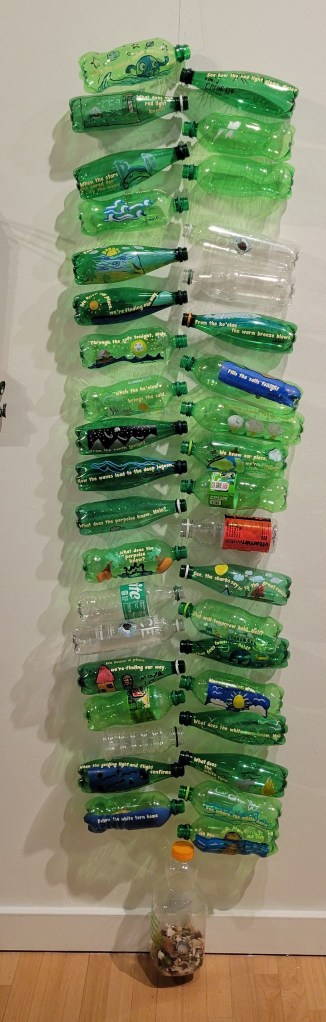
When the planet swims across the blue,
See how the red light glows, Mele?
What does the red light know?
When the stars are cared for by the moon,
Feel how the current flows, Mele?
Feel the current flow.
We know a place, we’re finding our way.
From the koʻolau the warm breeze blows,
Through the sails tonight, Mele,
Fills the sails tonight.
When the hoʻolua brings the cold,
From the storms tonight, Mele,
From the north tonight.
We know our place, we’re finding our way.
Now the waves lead to the deep lagoon,
What does the porpoise know, Mele?
What does the porpoise know?
See, the sharks say hi to the great canoe?
What will tomorrow hold, Mele?
What does tomorrow hold?
We know that place. We’re making our way.
Morning skies are gilded by the birds,
What does the white tern know, Mele?
What does the white tern know?
When the guiding light and flight confirms,
See where the white tern goes, Mele?
Follow the white tern home.
We know this place. We‘re finding our way.
I also partnered with the Marine Debris Research Center of Hawaiʻi Pacific University to use a few items collected from their debris reclamation projects:
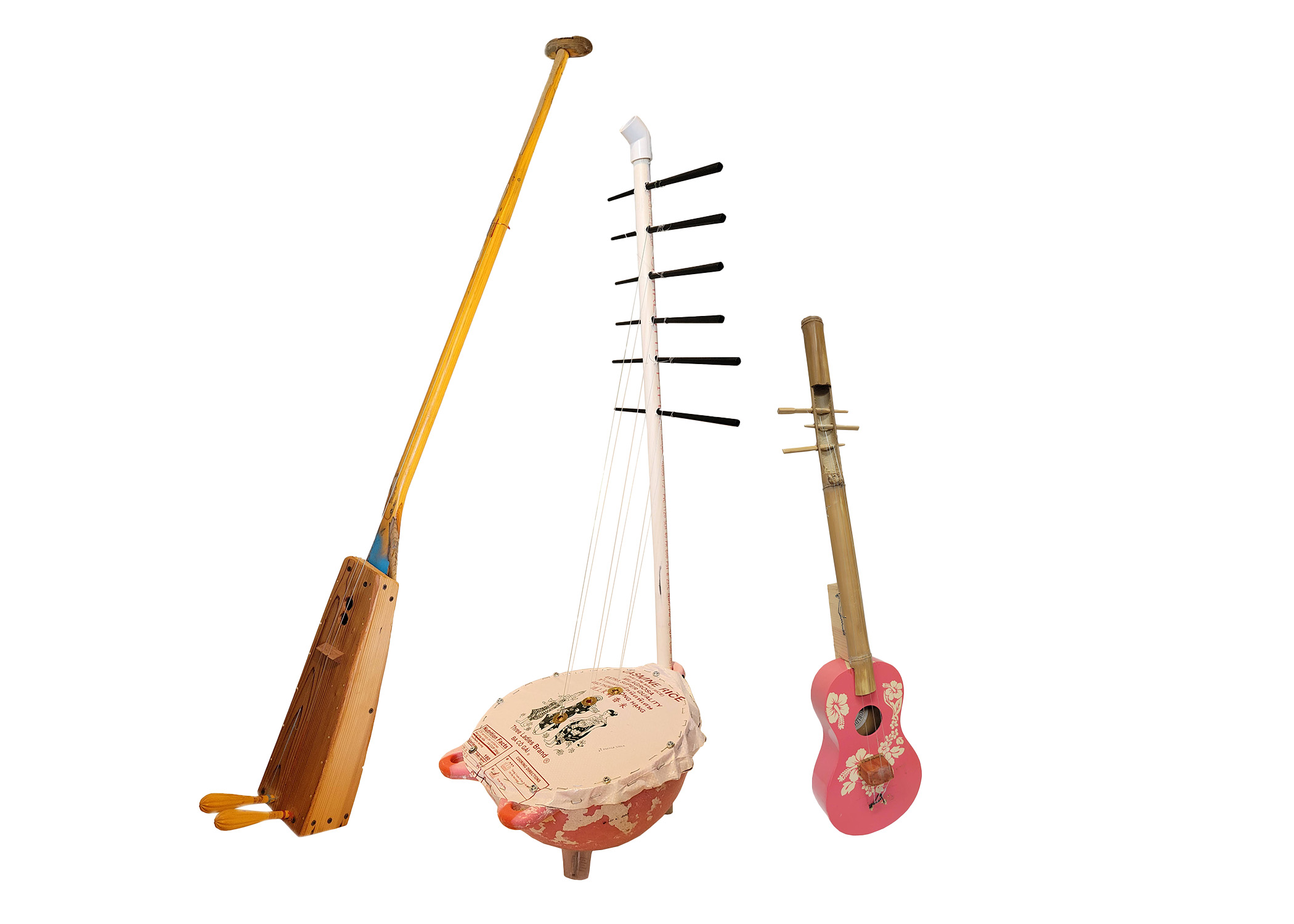
These instruments were then used for a rendition of Hawaiʻi Aloha:
Station 4: The Trees (cardboard)
Who doesn’t love trees? They provide shade, oxygen, paper, cardboard, habitat, and more. This section draws our attention to trees with a poem as well as a multi-track recording, “Cardboard Morning,” that uses only instruments made of cardboard and gradually overlays 30 tracks of audio to give a sense of the forest coming to life as the sun rises:
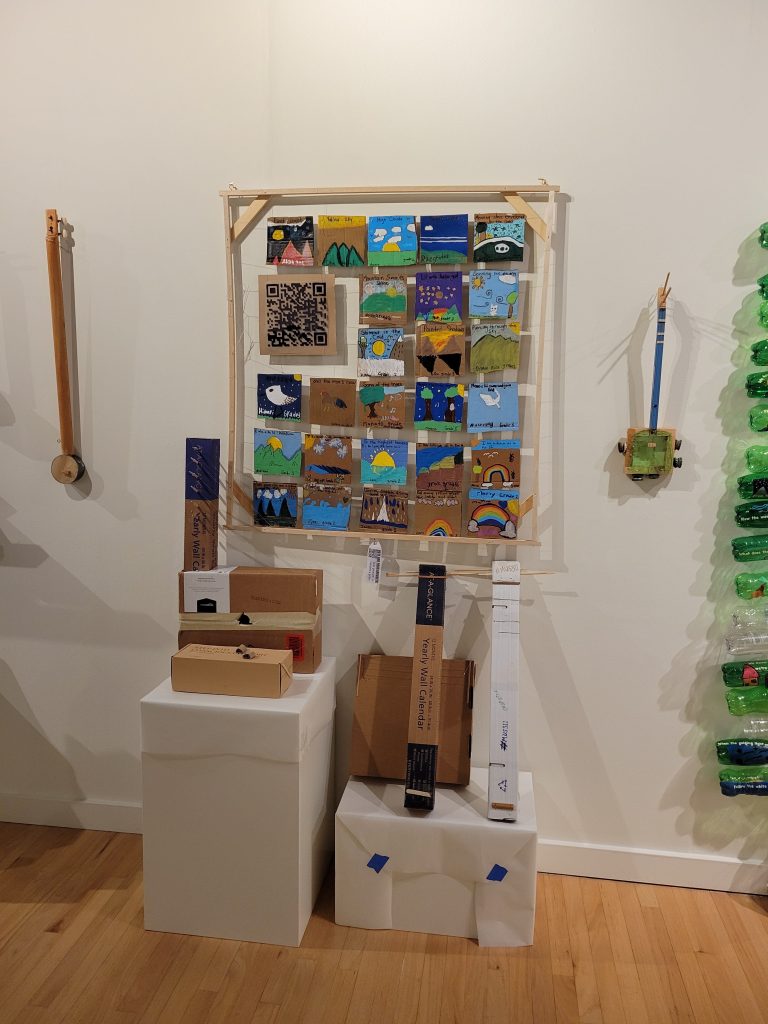
I also worked with Voyager Public Charter School (under the direction of arts instructor Jill Sotelo) to have students engage with cardboard by visually representing their impressions of the song.
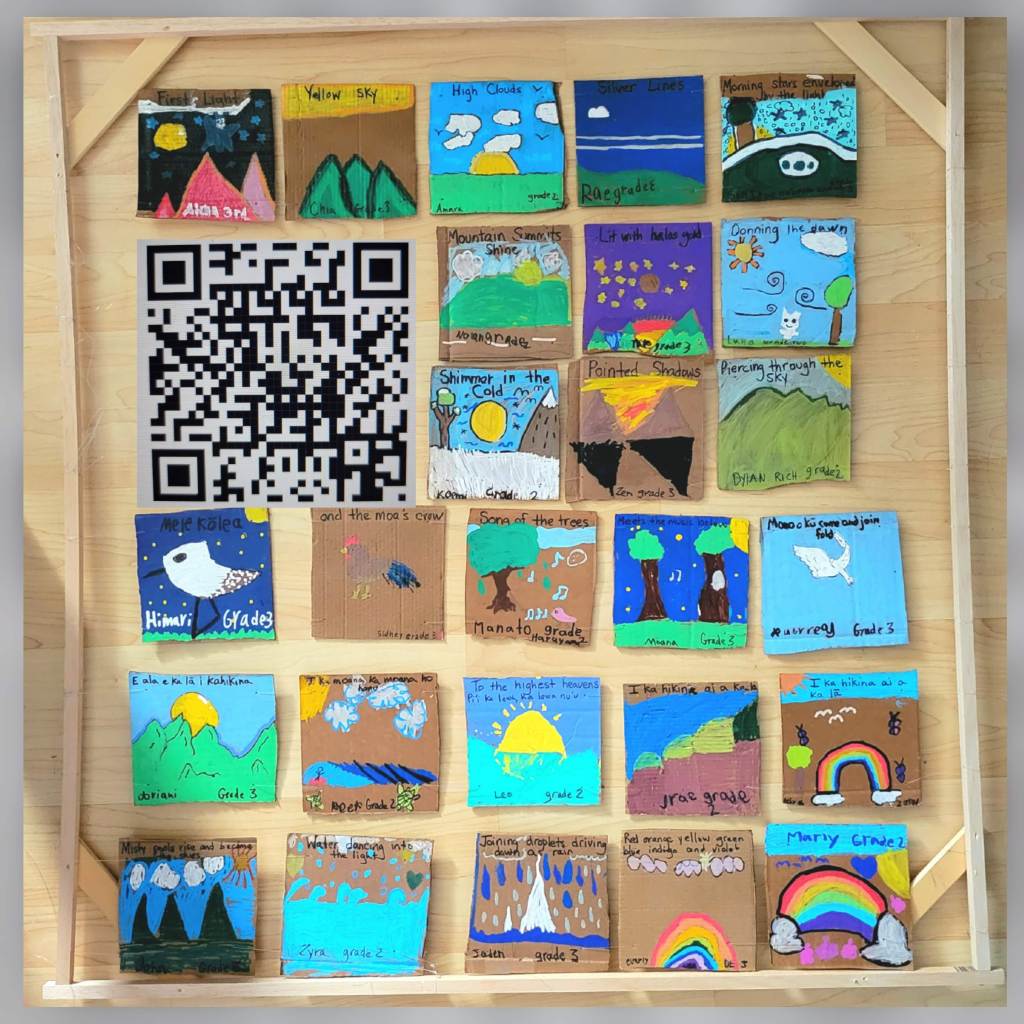
If you want to vote for your favorite image (student winner gets a prize! voting ends November 1, 2025), or if you just want an up close look at these individual contributions, please click below:
Station 5: The Animals (plastic)
Yes, animals! The term “fossil fuels” popularly and inaccurately conjures up visions of plastic’s origins as being the dinosaurs, but actually it comes from the masses of Mesozoic zooplankton that, over millions of years, has decayed and been compressed into crude oil deposits. Plastic polymers are produced in the process of refining this extracted crude oil. As long as we are extracting, refining, and burning fossil fuels, we’re stuck with an overabundance of plastic.
I find plastic packaging to be useful for instrument building in many ways: its flexibility makes it useful as a reed, its stretchy shrink-ability makes for great drum and banjo membranes, its readily available tubular shape (pipes) makes wind instrument construction a breeze (pun!), and in its nylon form (fishing line) it makes for affordable strings for guitars and ukulele.
As an example, here’s a song showcasing a tambourine made by stapling flattened egg crate plastic to a wooden frame:
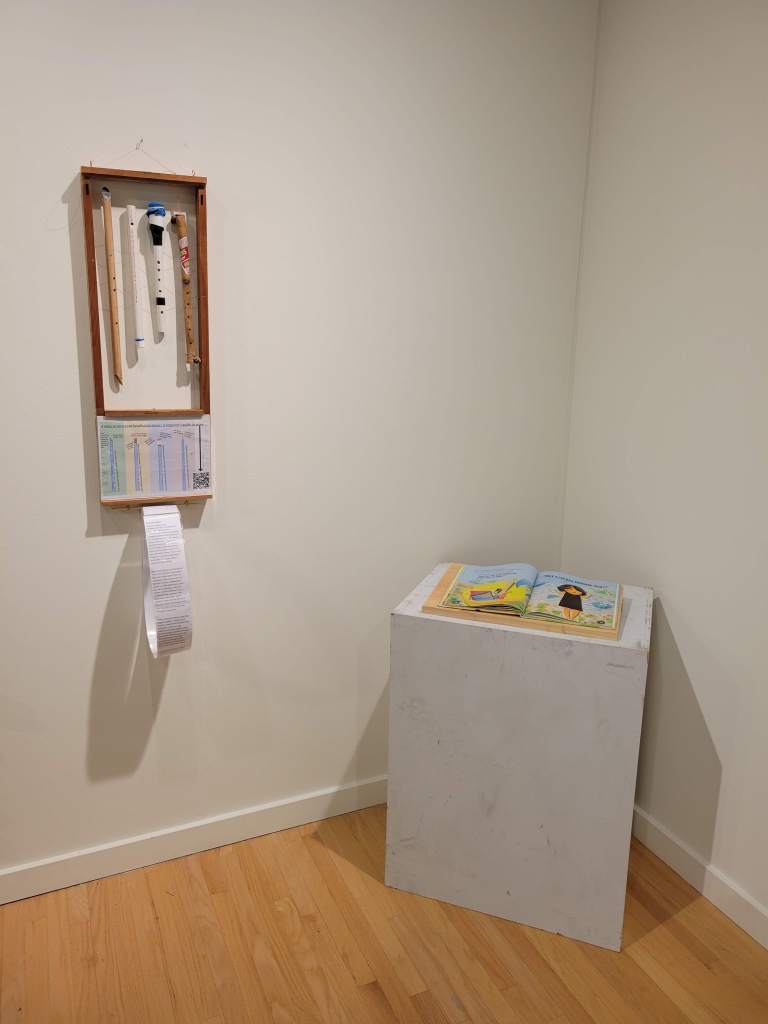
To highlight these features and the material for this exhibit, I’ve constructed 4 types of wind instrument (single reed, double reed, flute, and membrane oboe), combined as an ensemble to play a well-known Sibelius tune, Finlandia.
Hands-on displays
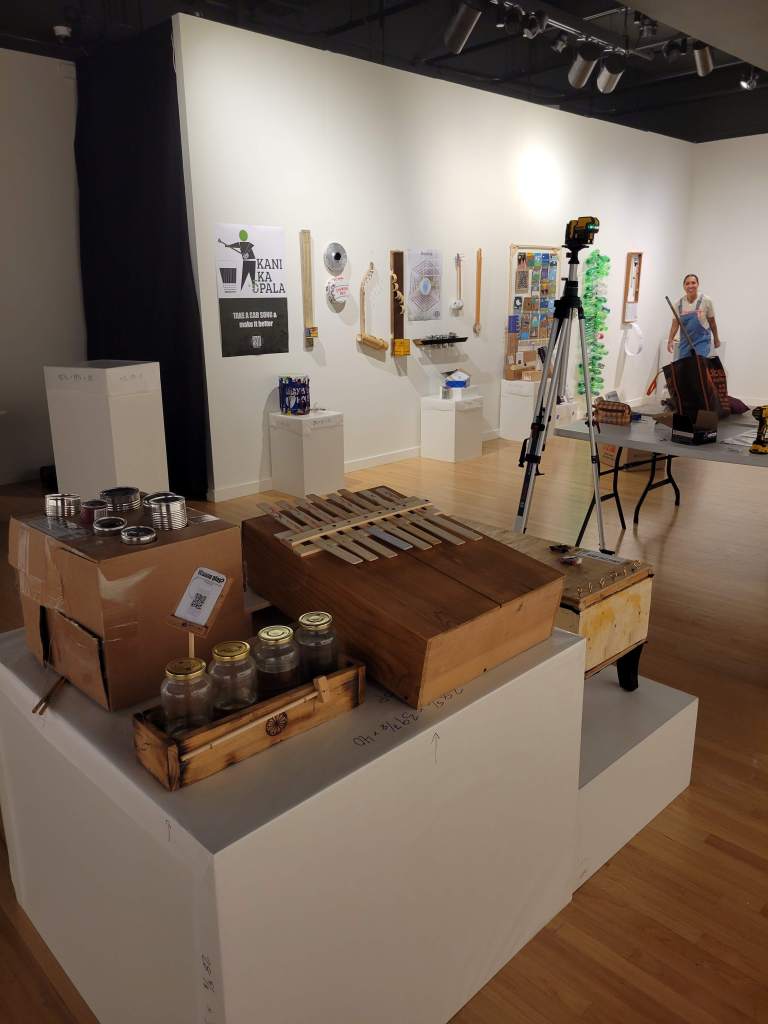
Part of the curiosity with these instruments is the obvious question: “Do they work?” I try to demonstrate this through the QR codes and supplied videos, but I didn’t want to limit the experience to passive viewing for the audience. Thus, I created some hands-on instruments that I invite the audience to try out:
For those interested in building their own instruments out of common household rubbish, please get a copy of my illustrated children’s book published by University of Hawaii Press, Kani Ka ʻōpala: How can garbage sing?
 Kani ka ʻōpala: music made from Rubbish